Editor’s Note
**Editor’s Note:** This piece examines how Web3 technologies are reshaping the jewelry industry, dissolving the line between physical and digital ownership. As blockchain, NFTs, and the metaverse redefine value and creativity, we explore the implications for designers, brands, and collectors navigating this enduring change.
The jewelry industry is undergoing a significant transformation as Web3 technologies—including blockchain, NFTs, and the metaverse—enable new forms of digital ownership and creative expression. Traditional boundaries between physical and virtual jewelry are blurring, with designers and brands exploring how digital assets can complement or even replace physical pieces.
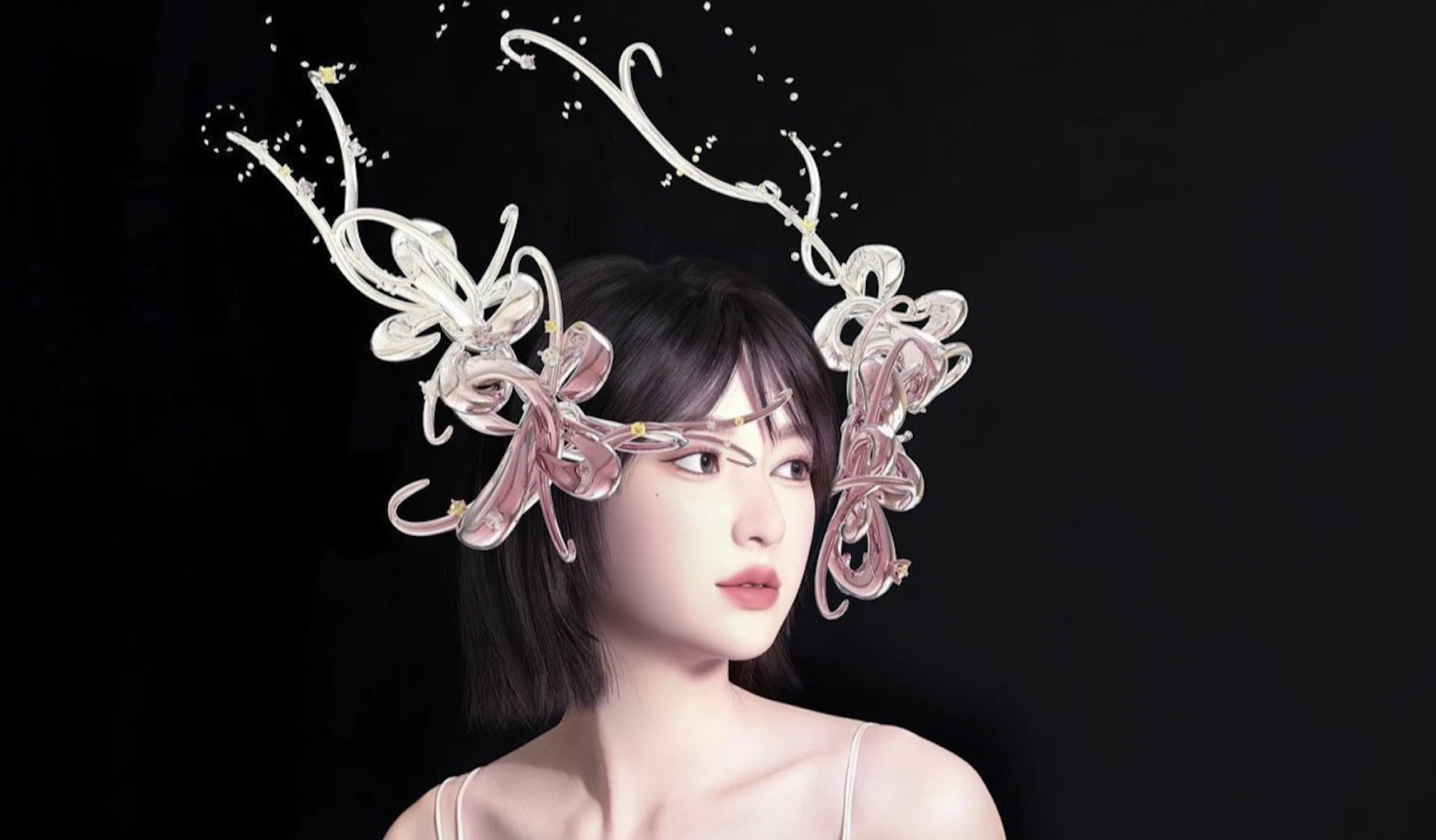
A new wave of creatives is leveraging Web3 to push the boundaries of jewelry design. These innovators are creating virtual pieces—from cascading headpieces to gold-encrusted eyewear—that exist solely in digital spaces. By using NFTs and blockchain technology, they can authenticate ownership, enable resale, and build communities around digital jewelry collections.
Major luxury brands are increasingly investing in digital jewelry. From virtual try-ons to NFT collections, these companies recognize that digital assets offer new revenue streams and engagement opportunities, particularly with younger, tech-savvy consumers who value digital identity and self-expression.
The potential for Web3 in jewelry is vast. Beyond virtual pieces, blockchain can enhance traceability and authenticity for physical jewelry, while the metaverse opens up new avenues for immersive brand experiences. As technology evolves, the line between physical and digital jewelry will continue to blur, creating unprecedented opportunities for designers, brands, and consumers alike.
