Editor’s Note
This article highlights the growing consumer hesitation in China’s luxury market, as seen through the experience of a young Hangzhou resident. While the narrative is personal, it reflects broader economic sentiments and market trends.
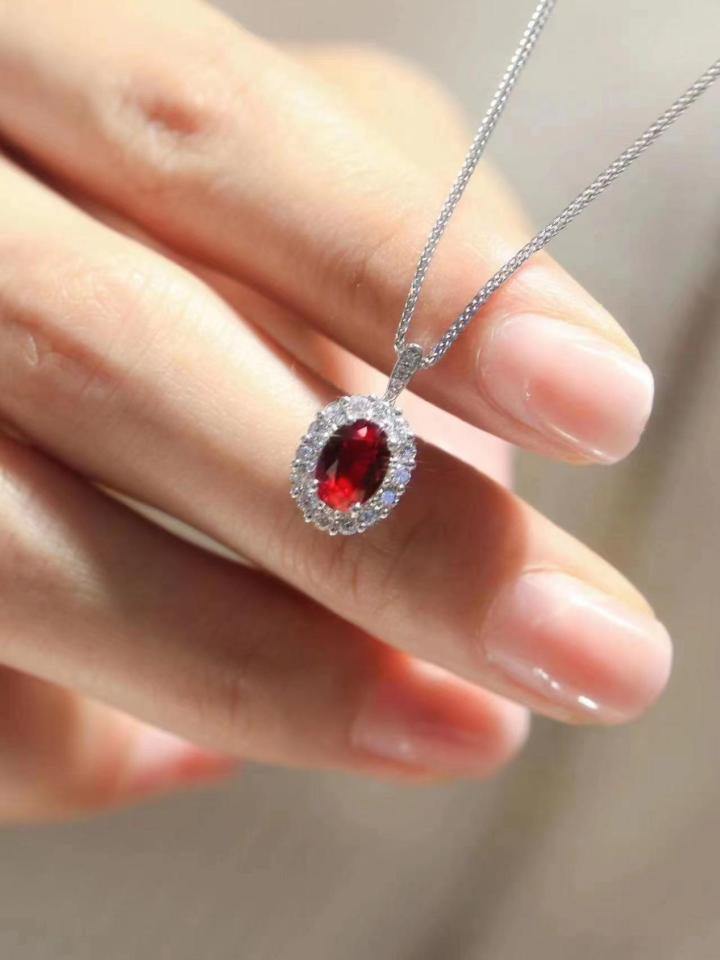
Xiao Qian, a ’93-born girl from Hangzhou, wanted to buy a red gemstone ring for her boyfriend’s birthday which is coming up in July. However, after checking the prices, she found it really hard to make the purchase.
Xiao Qian sighed. The custom colored gemstone merchant she had purchased from before, and the items posted in her friends’ circle, no longer have products priced below 10,000 yuan.
Xiao Qian is a white-collar worker at an internet company in Hangzhou’s West Lake district. Since last year, she has developed a liking for colored gemstones and often browses and watches live streams from several colored gemstone brands. After researching for over half a year, just before the Spring Festival this year, Xiao Qian finally purchased a 50-point red gemstone from a local custom gemstone merchant in Hangzhou and had it custom-made into a bracelet, with a total price of nearly 7,000 yuan.
Less than two months after wearing it, the merchant contacted Xiao Qian, offering to buy it back for 10,000 yuan.
Sure enough, over the past half year, Xiao Qian noticed that the prices of products posted by shop owners in her friends’ circle have been continuously increasing, and now there are no items priced below 10,000 yuan.
She originally planned to buy herself a 1-carat red gemstone ring as a 30th birthday gift. However, after inquiring both online and offline at several stores, Xiao Qian found the prices far exceeded her budget.
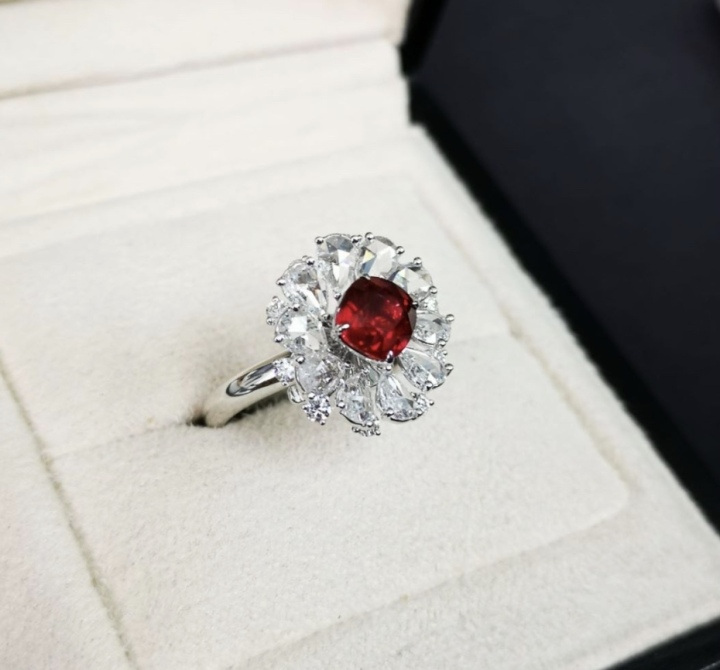
The rise in raw material prices has caused some consumers to develop a wait-and-see mentality, and it has also brought sales pressure to merchants.
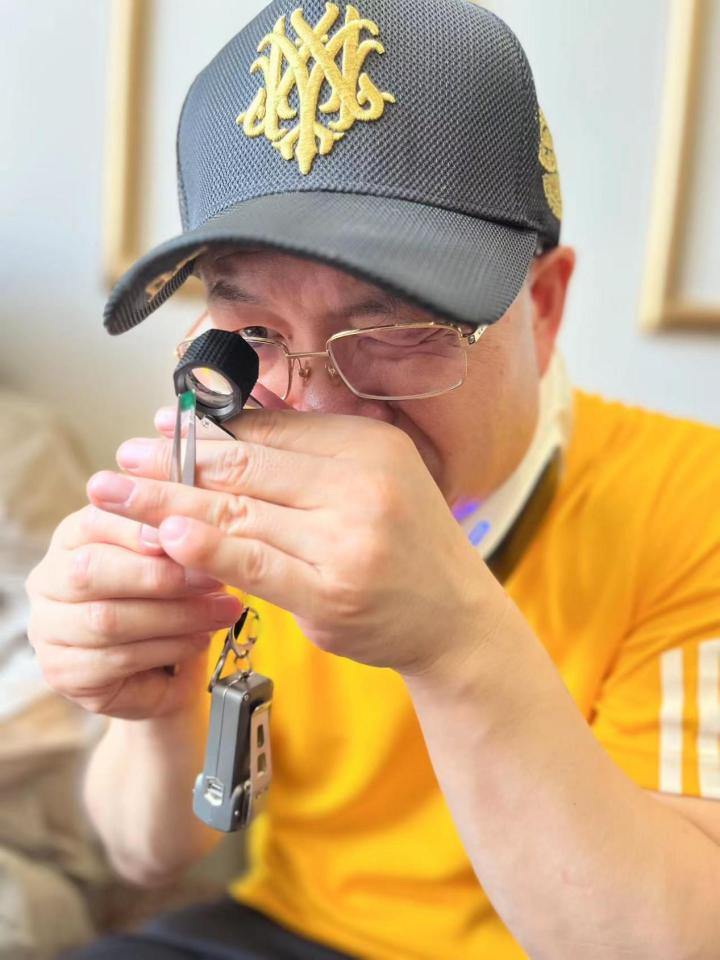
Lao Tan, a high-end brand gemstone merchant in Hangzhou, went to Pakistan and Afghanistan at the end of last month to investigate gemstone mines. Lao Tan has been engaged in precious colored gemstones and high-end custom gemstones for over ten years. Although the price increase of high-quality gemstone raw materials this year was within his expectations, it still brought significant impact.
The customer service manager of a head e-commerce seller in Hangzhou that deals in precious colored gemstones told the reporter:
He gave an example: “For example, a 1.5-carat red gemstone was over 70,000 yuan in the first half of this year, but costs 110,000 yuan in the second half; sapphires are the same situation. High-quality, flawless sapphires over 2 carats have also doubled in price. Because we have our own inventory, the increase passed on to the consumer end is still relatively moderate.”
What about offline? A person in charge of a tourism gemstone company mainly operating physical stores revealed to the reporter:
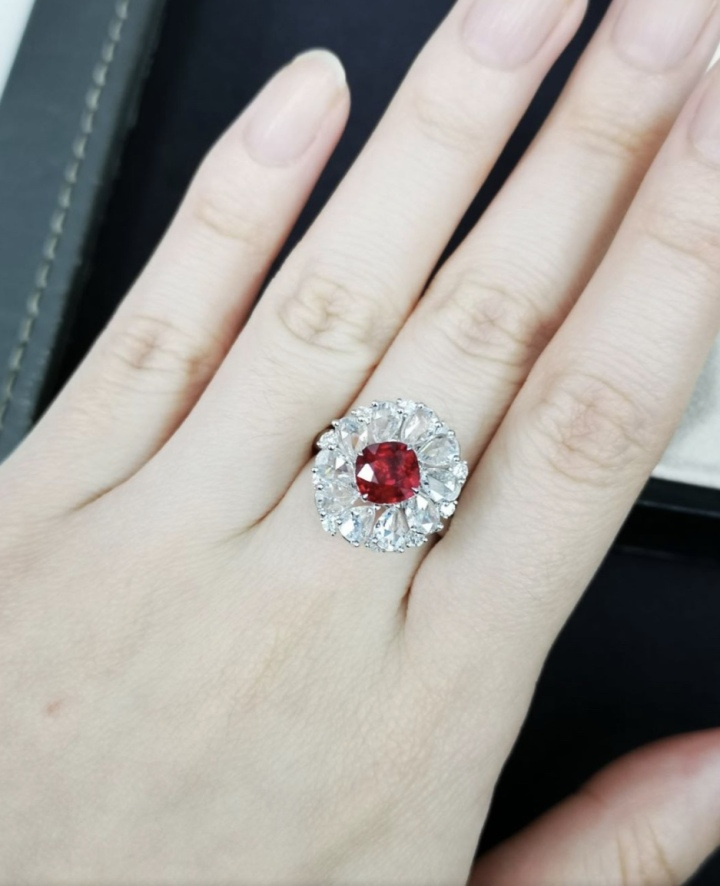
At the consumer end, also due to their own inventory, the tourism gemstone company stated they try their best to keep the prices of colored gemstones sold in their stores stable.
However, smaller-scale gemstone merchants face greater pressure. The owner of a custom gemstone workshop in Hangzhou’s Binjiang district told the reporter that due to their small size and lack of funds for bulk stockpiling, after upstream raw material prices rose, the workshop could only passively raise prices.
Why have colored gemstone prices been rising? Will they continue to increase? What should consumers do next?
The reporter noticed during recent interviews that consumers are particularly concerned about these issues and constantly inquire with merchants.
Hu Ziwen, Deputy Secretary-General of the Zhejiang Province Gemstone and Jade Industry Association, stated in an interview with a reporter from Chao News that the price increase of colored gemstones mainly depends on the supply-demand relationship.
Lao Tan mentioned above also told the reporter that the entire global market is competing for raw materials, everyone wants high-quality goods. Currently, good-quality raw gemstones are almost controlled by large companies and consortium buyers. He spent 12 days in Afghanistan and Pakistan just to further extend the upstream industry chain for high-quality emeralds, but truly high-quality emeralds are too competitive now.
As for whether prices will continue to rise, Mr. Chen, a deep investor from Hangzhou, shared his view. He gave an example: last month, a red gemstone hailed as “the largest in auction history” was auctioned in New York, ultimately selling for $34.8 million, setting a new world record.