Editor’s Note
The diamond market is undergoing a significant shift, as detailed in this report. Surging consumer demand for lab-grown alternatives is applying unprecedented pressure on natural diamond prices, with industry leaders like De Beers making substantial price adjustments. This trend highlights a broader transformation in luxury goods, where sustainability and affordability are increasingly influencing purchasing decisions.
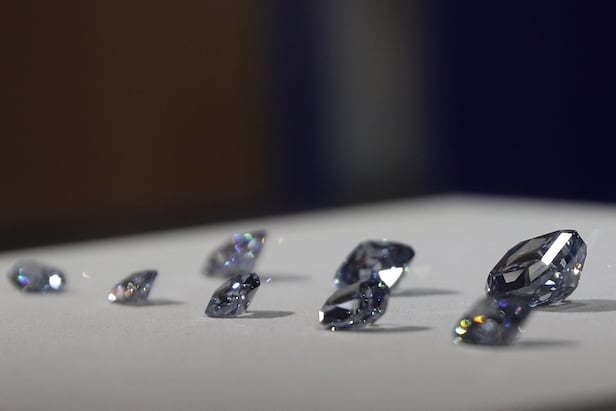
Demand for relatively affordable lab-grown diamond rings is increasing, leading to a sharp drop in natural diamond prices. According to Bloomberg and Yonhap News on the 3rd (local time), De Beers, a global leader in the diamond industry, has lowered the price of diamond rough suitable for processing into higher-value ‘Select Makeables’ grade gemstones by about 40% over the past year. As of July last year, rough stones in this category were priced at around $1,400 per carat, but by July this year, they had fallen to around $850 per carat.
De Beers sells diamond rough ten times a year to a limited number of intermediate traders called ‘Sightholders’. Considering that rough stone prices are even lower in the secondary market between these traders and jewelry manufacturers, it is highly likely that De Beers’ supply prices will fall further in the future. Given that De Beers has traditionally avoided significant price cuts, industry insiders noted that the price drop over the past year is unusual.
Bloomberg diagnosed that one of the major factors for the sharp price drop is the rapid expansion of the lab-grown diamond market as a substitute. Solitaire diamond rings of 1-2 carats are popular for engagement rings in the US, and the lab-grown diamond industry has intensively targeted this market, which has a broad consumer base and price-sensitive buyers.
In fact, the share of lab-grown diamonds in India’s total diamond exports surged to 9% in June this year, compared to 1% five years ago. India is the world’s largest diamond rough processing hub. Considering that natural diamonds are more expensive, investment firm Liberum Capital Markets analyzed that the share of lab-grown diamonds by volume has already reached 25-35%.
In particular, De Beers has also contributed to the expansion of the lab-grown diamond market by introducing its own manufactured lab-grown diamonds at low prices since 2018. For De Beers, it had no choice but to price lab-grown diamonds low to differentiate them from its natural diamond products.
On the other hand, De Beers analyzed that the recent price weakness is due to a natural decrease in demand following the pandemic’s impact. They hold the position that while there has been some market penetration by lab-grown diamonds, they do not view it as a structural change.