Editor’s Note
**Editor’s Note:** This article explores the resurgence of cameo jewelry, a centuries-old art form, as spotlighted by Rihanna at Paris Fashion Week. We examine the trend through the lens of Marlo Laz founder Jesse Marlo Lazowski and jewelry expert Daniela Mascetti, tracing the craft’s modern revival.
When Rihanna stepped out at the Dior Homme Menswear Spring/Summer 2026 runway show during Paris Fashion Week in June, she reinvigorated a trend from centuries ago: cameo jewelry.
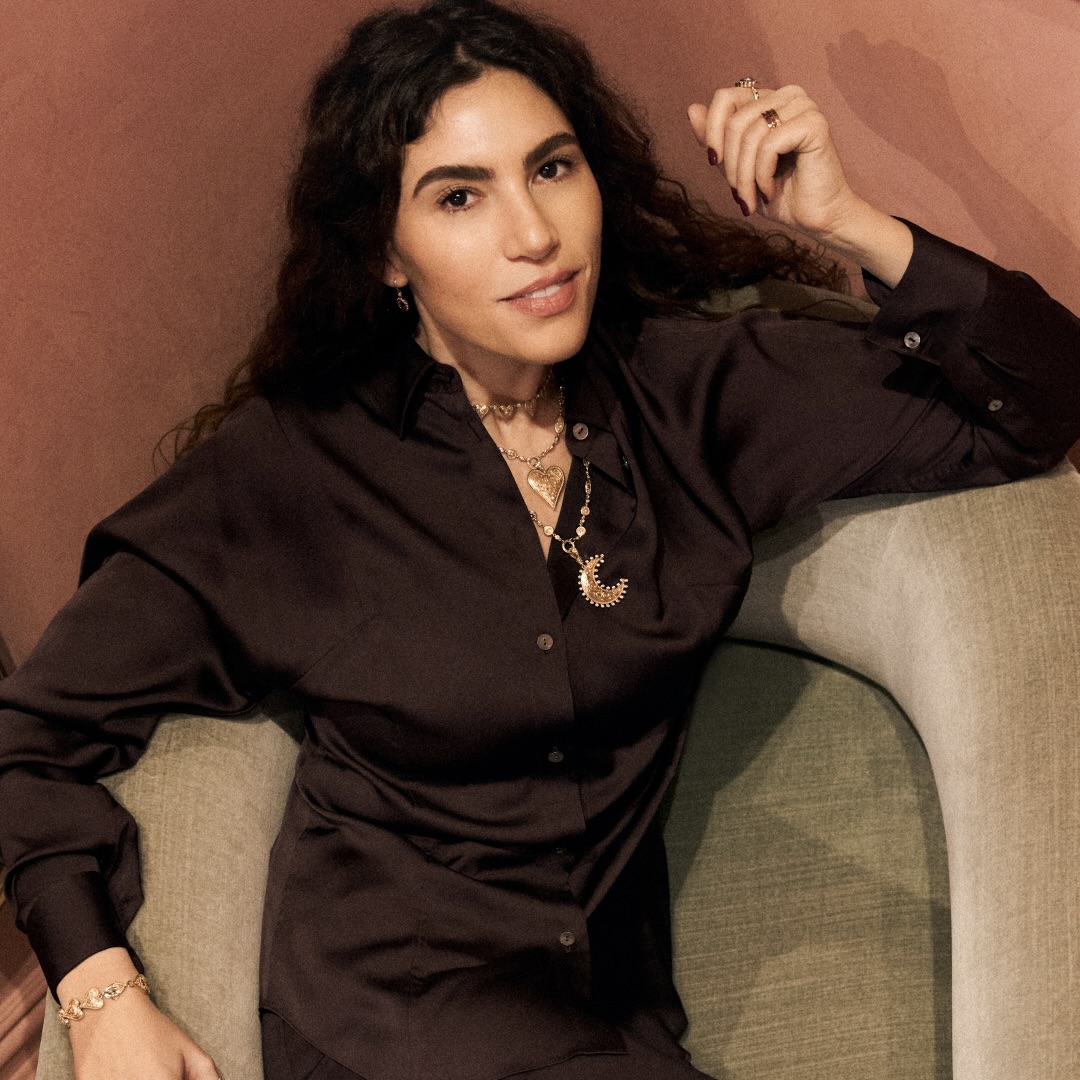
Creative director and designer Jesse Marlo Lazowski founded her fine jewelry brand, Marlo Laz, in 2014. From creating hand-beaded necklaces to designing bespoke diamond jewelry, Marlo Laz has evolved into a global brand with two flagship NYC boutiques.
Daniela Mascetti is one of the jewelry world’s most experienced scholars specializing in the history of jewelry. Mascetti joined Sotheby’s in 1980, opening the firm’s jewelry department in Milan shortly afterwards. Following a distinguished career of 40 years at Sotheby’s, she was appointed Jewelry Chairman of Europe, a position she retained until 2020. Highlights from Mascetti’s distinguished career include research for the sales of historic collections such as the Jewels of the Duchess of Windsor, Elton John, Maria Callas and Gina Lollobrigida.
This moment put a modern spin on the age-old art form. Here, learn all about the history of cameo jewelry, and those who adored it, from Marie Antoinette and Napoleon Bonaparte to Sarah Jessica Parker and Rihanna.
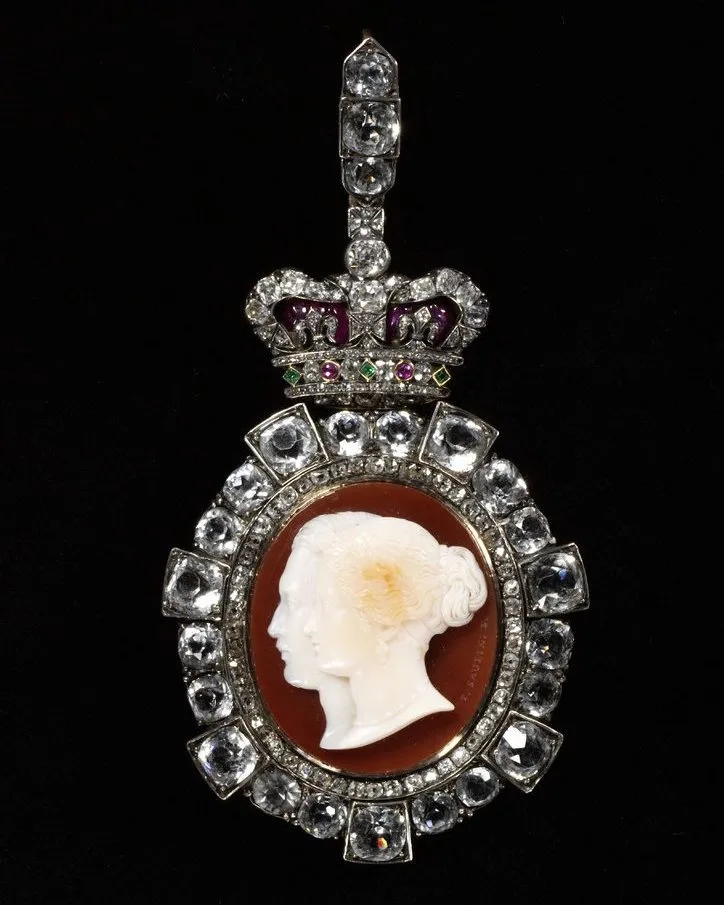
Cameos and intaglios are engraved gemstones, shells, or other natural materials carved to depict anything from people to landscapes, and are mounted in jewelry. They’ve been crafted since antiquity. “The engraving into gemstones goes back a millennium,” says Daniela Mascetti, author of a definitive guide to 19th-century jewelry. Cameo brooches date all the way back to Ancient Egypt, but they hit their peak during the Renaissance.
Marie Antoinette famously favored this style of jewelry long before the style reached its Victorian pinnacle.
Founded in 1616, the historic French jewelry house continues to bridge past and present, regularly exhibiting significant archival jewels alongside contemporary creations at its Rue de la Paix flagship in Paris. Among the highlights is Empress Eugénie’s diamond peacock feather brooch from 1868, a masterpiece of Second Empire design, displayed in dialogue with modern pieces that draw on the same heritage of craftsmanship, symbolism, and natural diamond artistry.
Jesse Marlo Lazowski created a cameo necklace for her own family celebration, designed to be worn to her brother and sister-in-law’s wedding at Villa d’Este in Lake Como. She explains,
Lazowski says,