Editor’s Note
This article highlights findings from consumer protection groups on hazardous levels of lead and cadmium in fashion jewelry, underscoring ongoing health risks.
Lead in Jewelry – Consumer Protection Groups Present Test Results
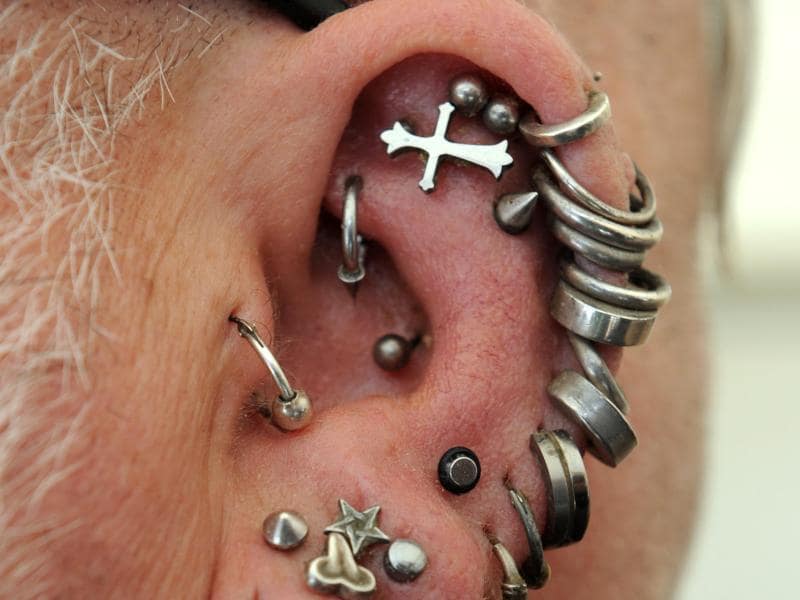
Consumer protection groups have increasingly found health-hazardous lead and cadmium in fashion jewelry.
,regionOfInterest=(575,350)&hash=48b843159f74b69f59cc05864e71e95a79d32b95bcc6c73ede7547aeef5ecf7e)
Details on this and other investigations will be presented by the Federal Office of Consumer Protection and Food Safety this Wednesday in Berlin.
,regionOfInterest=(488,342)&hash=90193228c3ea89e1728c7861769d01094ad4207cec5dcb0fe781c0011dc982d1)
Last year, fashion jewelry was also in the spotlight. Experts found that fashion jewelry studs contained more allergy-causing nickel than a few years earlier—every sixth stud exceeded the permissible maximum amount.
The Federal Office of Consumer Protection and Food Safety (BVL) regularly monitors specific product groups. Many of these are commonly used by most people. Once a year, the authority presents the results. The new figures come from inspections conducted in 2015. Businesses that produce, process, or sell food were also checked.
,regionOfInterest=(535,335)&hash=fe8277b1699c3c3361b85e878aa65a31892256f017131f45a40596de1f1a8d6a)
In 2014, inspectors found plant toxins—so-called pyrrolizidine alkaloids (PA)—in many honey samples. However, German and European honey was said to be less contaminated at the time. Good news came regarding antibiotic residues in poultry and fish, where experts had little to criticize.