Editor’s Note
Jih-Cheng-KY faces a pivotal moment after a major client withdrawal led to steep losses. The company’s focus on cost control and capacity optimization signals a determined push toward profitability next year.
Jih-Cheng Stems Losses, Aims for Profitability Next Year
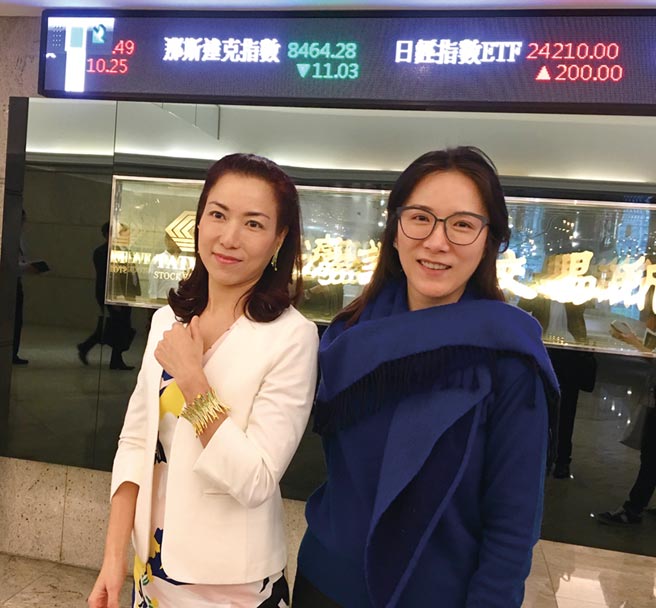
Jih-Cheng-KY (4807), a global OEM manufacturer specializing in light luxury jewelry and accessories, significantly expanded production capacity starting in 2017. However, in the first half of this year, its largest client, referred to as “P,” unexpectedly withdrew orders, leading to a loss of NT$3.4 per share. Jih-Cheng-KY General Manager Lin Ju-yin acknowledged at a press conference on the 12th that the factory had laid off 1,000 employees as a result. Nevertheless, losses have been stemmed in the second half of the year, and the company is actively transforming, securing orders from other influencer brands. The goal is to reduce the largest client’s order share to below 30%.
Lin emphasized that Jih-Cheng-KY has always focused on OEM for various light luxury jewelry and accessories. The company is now transitioning from OEM to ODM, which is expected to increase gross margins by at least 10 percentage points. It is also actively moving toward OBM to restore past high-margin prosperity, with OBM brands expected to launch next year. Analysts predict that the overall loss for this year will further narrow.
Analysts noted that Jih-Cheng-KY’s largest client, “P,” once accounted for up to 60% of revenue. Due to poor performance in the Chinese market, the client unexpectedly withdrew orders in the first half of this year, causing a year-on-year revenue decline of over 50% for the first nine months. The first-half loss of NT$3.4 per share marked the company’s worst financial performance in its 30-year history.
To address these challenges, Lin stated that the company began streamlining its workforce and implementing cross-departmental project management in the second quarter. This has fostered closer collaboration with key clients and gradually yielded results, while also freeing up capacity for smaller and medium-sized clients. She noted that physical retail channels are declining, leading to a shift in the client base. In 2018, e-commerce clients accounted for only 17% of revenue, but this year, that figure has risen to 49%.
Regarding the trade war, Lin said it has both advantages and disadvantages. The company aims to capture orders flowing out of China through better service, without engaging in price wars. Second-half revenue has gradually recovered as orders from Client “P” returned to over 30% and Client “S” expanded IP-related orders. “The bleeding has stopped,” she said.
Lin explained that organizational management has also changed strategically. The workforce has been reduced from 3,500 to 2,500 employees. The company’s focus has shifted from OEM to ODM, and next year it will move toward OBM. Gross margins are expected to stabilize, avoiding the “major disaster” of the first half of this year. “Next year’s performance will be better than this year, and turning a profit should not be a problem,” she said.
– AVerMedia pledges transformation to ABC, aiming for double-digit revenue growth next year.
– Warrants Star Avenue – CSC Securities: Realtek Q4 revenue aims for new highs.
– Other stocks: Ting-Hsin at full capacity, stable growth next year.