Editor’s Note
**Editor’s Note:** This article clarifies the composition and practical use of 916 carat gold, explaining its 91.6% purity and equivalence to 22 carat gold, while warning against fraudulent claims of 24 carat jewelry.
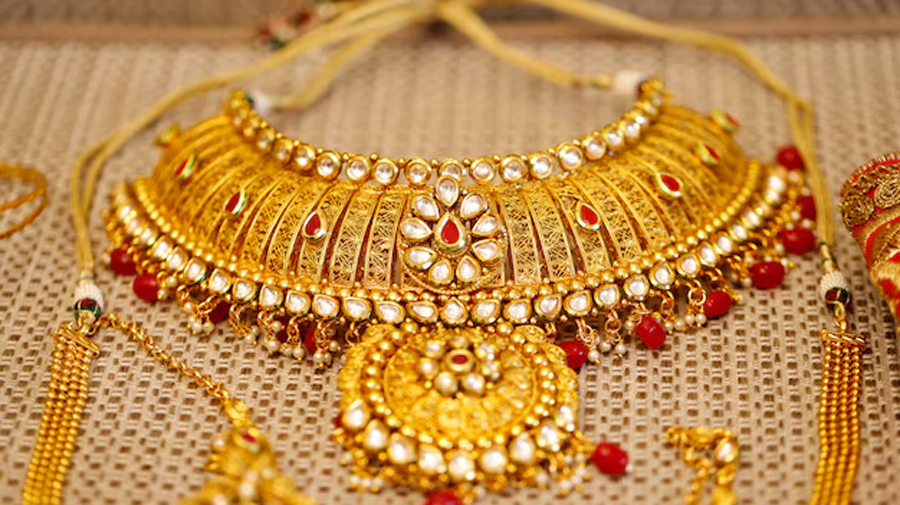
916 carat gold is used for making gold jewelry. Here, 916 means the gold is 91.6% pure, and the remaining 8.4% consists of other metals such as copper, silver, or other alloys. This mixture gives the gold strength and makes it easier to shape into jewelry. 916 carat gold is considered equivalent to 22 carat gold.
24 carat gold is 99.9% pure, but it is very soft and not suitable for jewelry making. If someone tries to sell you jewelry claiming it is 24 carat, they may be committing fraud.
Gold jewelry often bears a 916 hallmark. This stamp is used to certify the purity of the gold. Jewelry marked with 916 on the inside or another part is considered hallmarked jewelry.

If you think 916 gold and 22 carat are different, you are mistaken. This is because 916 gold and 22 carat are the same. Both contain 91.6% gold and 8.4% other metals. The difference between 916 gold and 22 carat is considered only a matter of terminology. 916 gold is primarily used in India and some Southeast Asian countries, while 22 carat gold is more commonly used in other regions.
KDM gold, also known as cadmium gold, is a type of gold alloy that contains the toxic metal cadmium. While it gives jewelry strength and shine, it poses health risks to the environment and artisans who make the jewelry. This is why the Bureau of Indian Standards (BIS) has banned it. Now, zinc or other metals are used instead of cadmium.