
Overseas jewelry buyers should be aware of a growing scam where fraudsters use AI-generated images and fake backstories to pose as family-run UK boutiques, but deliver cheap jewelry and clothing mass-shipped from warehouses in East Asia. This trend undermines trust in genuine suppliers and highlights the need for due diligence when sourcing from new partners.
How the scam works
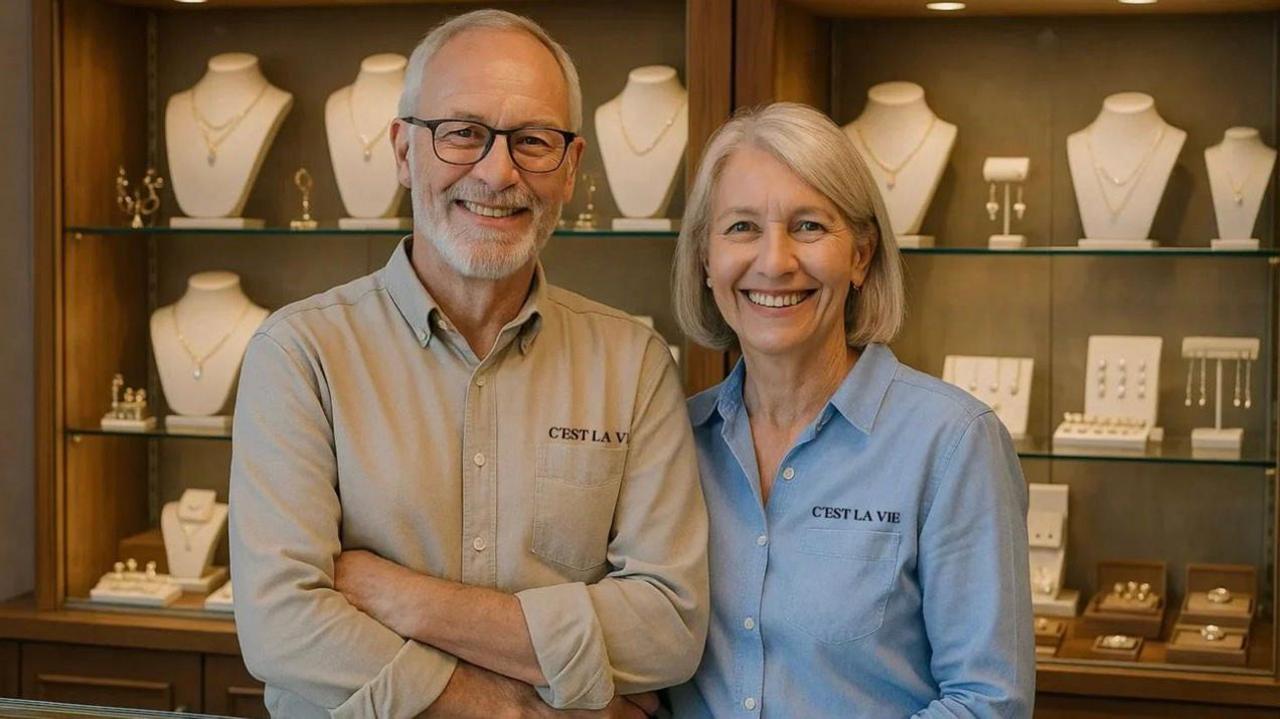
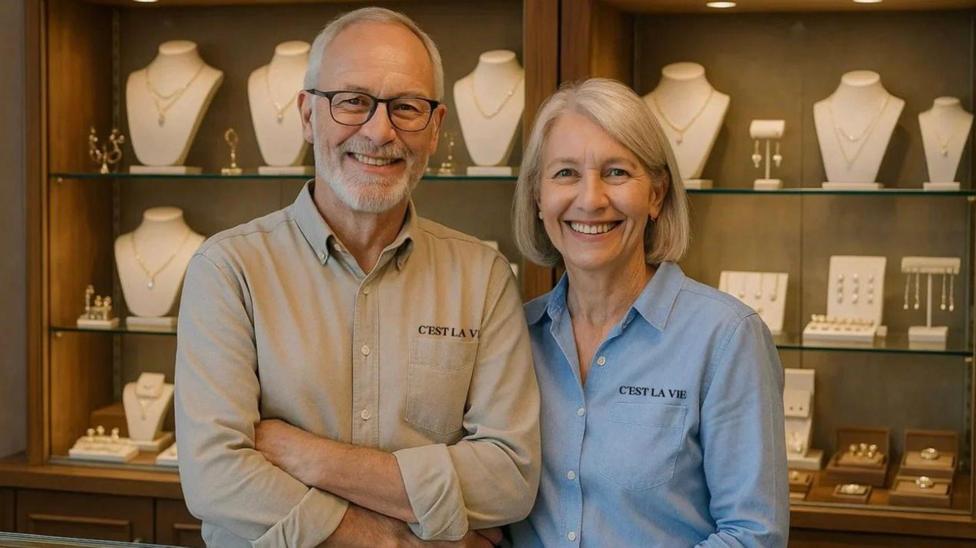
Fraudsters create websites like C'est La Vie, which claims to be a 29-year-old jewelry boutique run by couple Eileen and Patrick in Birmingham's historic Jewellery Quarter. In reality, the business has a returns address in China and uses AI-generated images of the couple. Another site, Mabel & Daisy, poses as a mother-daughter clothing firm in Bristol but ships from Hong Kong. Customers are lured by ads on Facebook and sob stories, such as a widow closing her shop with an 80%-off sale.
Impact on buyers and supply chain
More than 500 one-star reviews on Trustpilot describe receiving 'lumps of resin,' 'plastic junk,' and 'cheap metal rubbish' instead of quality jewelry. Customers pay high prices and face extortionate return fees. Sunny Pal, owner of Astella Jewellery in Birmingham, says these scams damage the reputation of the Jewellery Quarter and tarnish the hard work of local businesses. For overseas importers, this erodes trust in UK-based suppliers and complicates sourcing decisions.
Compliance and logistics signals
The Advertising Standards Agency (ASA) has banned ads for Marble Muse, a Chinese company pretending to be based in London, and continues to take action on misleading ads. However, Which? notes that trading standards teams are severely under-resourced. Social media platforms like Facebook also bear responsibility. Buyers should verify supplier addresses, check for AI-generated images, and be wary of sob stories or extreme discounts.
What buyers should watch
To avoid scams, importers and distributors should conduct thorough due diligence: verify business registration, check physical addresses, request samples before bulk orders, and review customer feedback on independent platforms. Be cautious of websites with overly perfect images, vague contact details, or returns addresses in different countries. Sourcing from established manufacturers in China with verifiable credentials remains a safer alternative.

China sourcing context
While the scam involves fake UK boutiques, the actual fulfillment comes from East Asian warehouses. For legitimate Chinese jewelry manufacturers, this highlights the importance of transparent branding and compliance with international trade regulations. Buyers should prioritize suppliers with clear factory addresses, quality certifications, and a track record of ethical practices to avoid association with fraudulent operations.
Source: Read the original report | Published: October 08, 2025