Editor’s Note
**Editor’s Note:** Singularu’s rise to €40 million in revenue underscores a growing demand for affordable, quality jewelry. By identifying market gaps in branding and digital service, the Valencia-based startup proves that democratizing luxury is not just possible—it’s profitable.
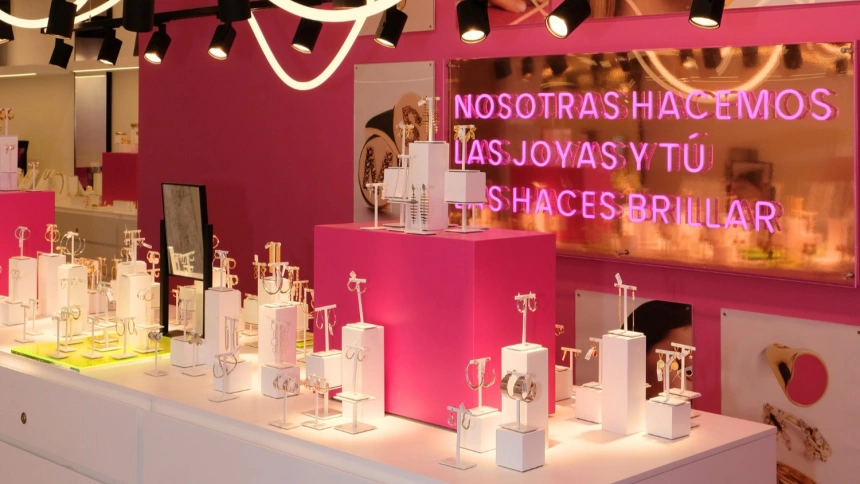
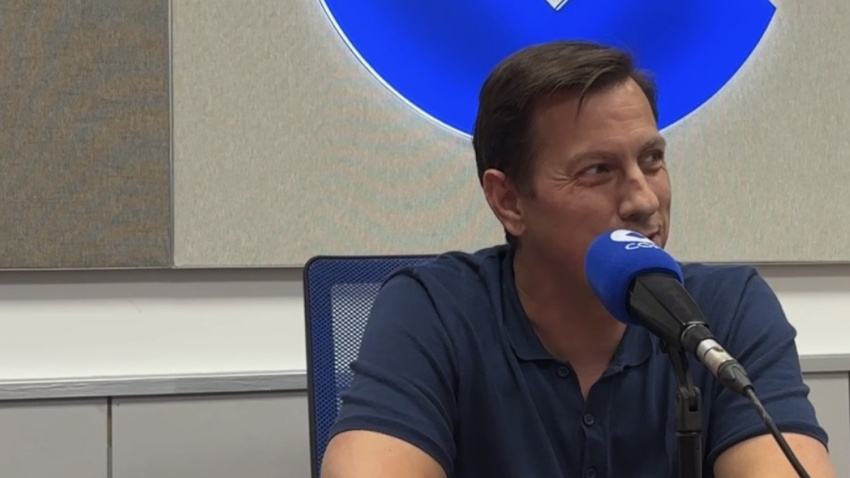
Singularu, the accessible jewelry brand founded in Valencia, has revealed the keys to its success: making quality jewelry affordable for everyday wear. Co-founder Paco Tormo explained in an interview how the company has achieved €40 million in revenue by democratizing jewelry without compromising on quality.
The project began by identifying a dual opportunity in the market. On one hand, it was a sector “very fragmented with few brands” and poor digital service. On the other, logistics were simple. “If jewelry is small, and you put it in small boxes stored in a closet,” they thought. In fact, Tormo confesses that their first warehouse was literally “a piece of a closet,” which allowed them to start with an affordable price that broke the barrier of fear of online scams at the time.
The idea of “democratizing jewelry” is central to their philosophy. For Paco Tormo, this means “bringing it down from that aspirational pedestal and turning it into a consumer object.” The goal is for anyone to indulge themselves thanks to the concept of “guilt-free price,” an amount that doesn’t weigh on the buyer’s conscience. “So it doesn’t hurt,” Tormo summarizes, referring to those small luxuries that, as parents, are sometimes hard to justify.
Despite the affordable prices, quality is non-negotiable. It’s not high jewelry, but it’s not costume jewelry either. “It has to be well made, it has to last,” Tormo states. The company depends on customer recurrence, so durability is fundamental. “We can’t conceive of selling someone something we think won’t be good. That is, something that won’t last, because we depend on them coming back. Our business is not to sell you a ring; it’s for you to buy a bunch,” he explains.

Singularu was born online out of conviction, following the motto “fail fast, fail cheap” to test the business model. During the first five years, the company was not profitable and grew “by burning capital” and bringing in investors. The COVID-19 pandemic was a turning point that “tripled online sales by n times,” as people at home treated themselves more.
However, the big leap came with physical stores. The first one opened in Valencia in 2017 and was “a boom.” They realized that each opening was profitable in a short time and that banks “finance brick-and-mortar much better than giving money for marketing.” This strategy has allowed them to expand rapidly throughout Spain, using bank debt to finance their growth in the retail sector.
With 400 employees and a network of national suppliers who depend on them, Tormo is aware of the responsibility that comes with success. “If you stop, you die,” he asserts, defending the need to keep moving forward and building, albeit in a more conservative way. This mentality of constant evolution is part of the company’s DNA: “Working at Singularu requires a constant process of adaptation to change, because we are always changing.”

That adaptability was put to the test during the DANA (a severe weather event). Their main warehouse in Picaña, located 150 meters from the Poyo ravine, suffered a flood of “one meter of mud,” but fortunately there were no personal injuries. Tormo recalls with relief that the workers had already gone home and highlights the “great decision” of the Bonaire store to evacuate staff. “For 4 days we were alone here, helping each other,” he recalls about the citizen solidarity he experienced firsthand.