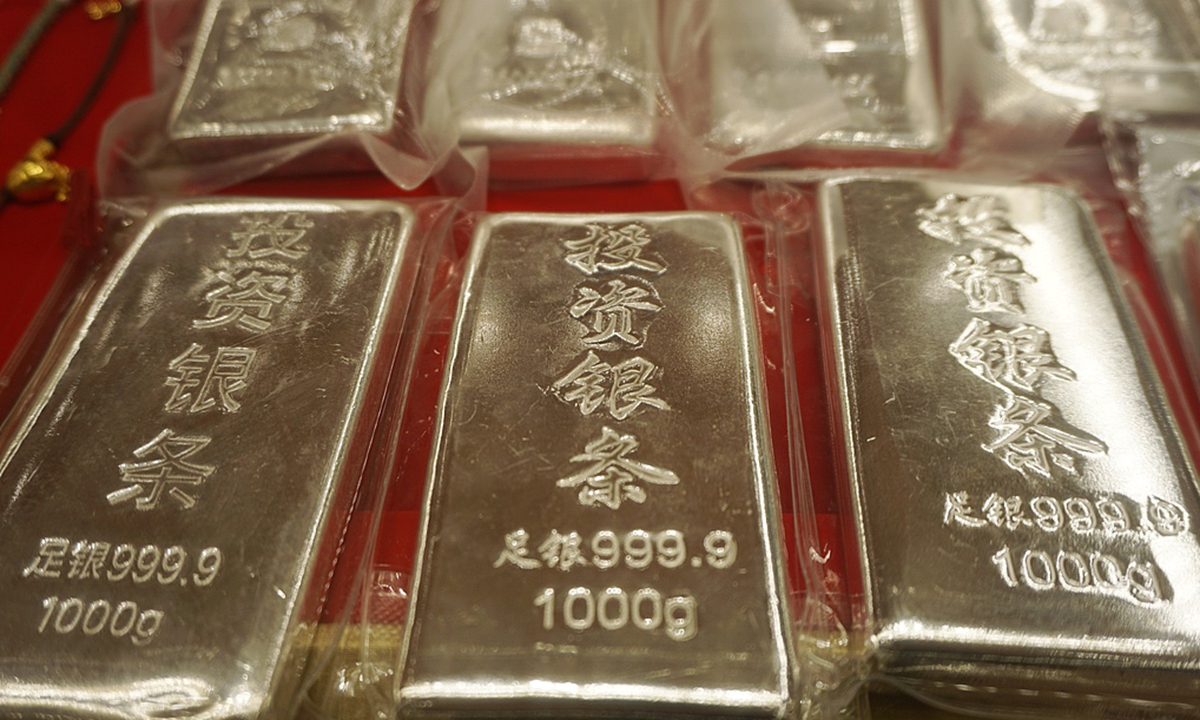
International gold prices have fallen sharply since early June, with spot gold dipping below $4,200 per ounce by June 11, erasing all gains from earlier this year. This decline has cooled investor enthusiasm in China, prompting many consumers and jewelry buyers to adopt a cautious wait-and-see stance. For overseas jewelry importers and distributors, the shift signals potential near-term demand softness for gold jewelry in China, but also highlights opportunities in niche categories like China-chic designs.
Market sentiment shift
Chinese gold consumers are increasingly hesitant to purchase at current levels. A customer at Caibai Jewelry in Beijing told the Global Times that the price of around 1,300 yuan ($191.95) per gram remains high compared with several years ago, and she plans to wait until prices stabilize. A salesperson at another Beijing gold counter reported fewer customers due to the price drop, though demand persists for weddings and children's gifts.
China-chic gold jewelry gains traction
Despite the overall slowdown, gold accessories featuring Guochao (China-chic) IPs are gaining strong traction among young consumers. The salesperson noted that the blend of cultural meaning and craftsmanship makes this category a standout. For overseas buyers sourcing from China, this trend suggests growing demand for culturally themed gold jewelry, which could be a differentiating product line for private-label brands and marketplaces.
Supply-chain impact
Chinese gold jewelry companies' stocks fell on June 11: Sichuan Gold closed down 2.72%, Shandong Gold Mining Co fell 2.53%, and Hunan Gold Corp declined 3.04%. The price drop may lead to reduced production orders in the short term, but the underlying demand for gold jewelry—especially for bridal and gift purposes—remains intact. Importers should monitor inventory levels and pricing strategies from Chinese OEM/ODM suppliers.
What buyers should watch
Industry analyst Zhou Yinghao described the decline as a technical correction rather than a trend reversal, citing continued central bank gold buying and geopolitical fragmentation as medium-term supports. JP Morgan analysts expect gold to reach $6,000 per ounce by year-end and $6,300 in 2027. However, Zhou cautioned that gold's core value lies in hedging against extreme risks, not quick profits. Overseas buyers should factor in potential price volatility when negotiating long-term contracts with Chinese suppliers.
Compliance and logistics signals
The People's Bank of China expanded its gold reserves for the 19th consecutive month in May, adding 320,000 ounces to reach 74.96 million ounces. This continued central bank demand, along with global debt and geopolitical uncertainty, supports medium-term gold price stability. Importers should stay informed on Fed policy and geopolitical developments, as these factors directly influence gold costs and sourcing decisions.
Source: Read the original report | Published: June 10, 2026