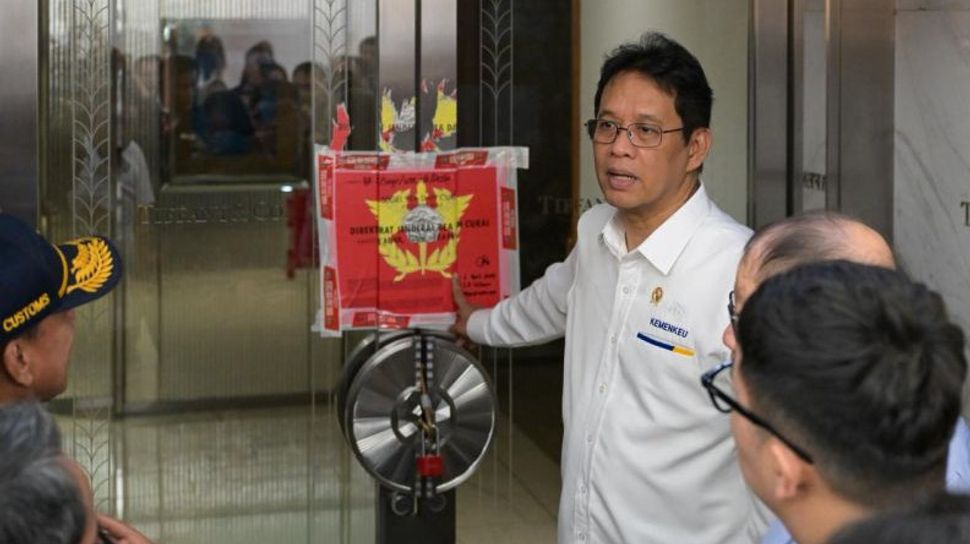
Indonesia's Ministry of Finance has reopened three Tiffany & Co outlets in Jakarta after the luxury jeweler agreed to pay IDR 97.49 billion in customs penalties and back taxes. The case highlights tightening import enforcement in Southeast Asia's largest economy, a key market for jewelry importers and distributors serving the region.
Customs enforcement details
The Directorate General of Customs and Excise (DJBC) sealed three Tiffany & Co stores at Plaza Senayan, Plaza Indonesia, and Pacific Place, Jakarta, for importing goods without proper notification and failing to complete customs obligations. The stores were reopened after the company committed to compliance.
Financial penalties breakdown
The customs audit resulted in a Customs Determination Letter totaling IDR 97.49 billion (approximately USD 6.5 million). This includes IDR 78.50 billion in administrative fines and IDR 18.99 billion in unpaid taxes covering import duties, value-added tax (VAT), and income tax (PPh).
Government compliance message
Minister of Finance Purbaya Yudhi Sadewa stated, "The person concerned has committed to complying with all applicable laws and regulations." He emphasized that the government prioritizes compliance, transparency, and accountability in oversight functions to create a healthy business climate and certainty for all business actors.
What buyers should watch
Jewelry importers and distributors serving the Indonesian market should review their customs documentation and duty payment processes. The DJBC is actively auditing luxury goods importers, and non-compliance can result in store closures and substantial fines. Ensuring proper notification and tax payment for all imported jewelry—including rings, necklaces, and branded collections—is critical to avoid similar disruptions.
China sourcing context
While this case involves a U.S. luxury brand, the enforcement signals broader scrutiny on jewelry imports into Indonesia. Chinese OEM/ODM suppliers exporting finished jewelry, findings, or packaging to Indonesian buyers should verify that their clients maintain compliant import procedures. Customs audits may extend to other high-value jewelry categories such as sterling silver, gold-plated brass, and gemstone pieces.
Source: Read the original report | Published: June 08, 2026