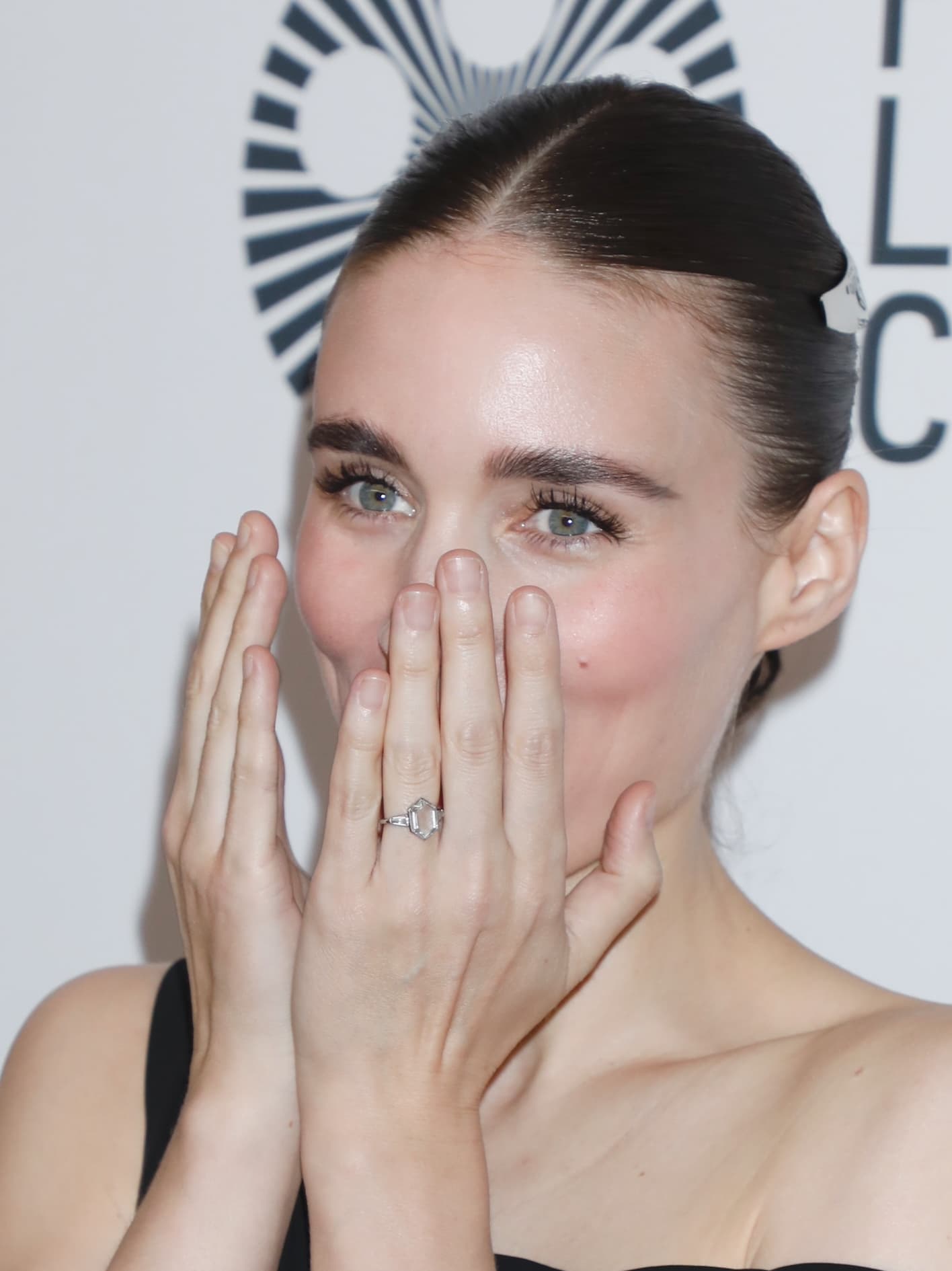
Lab-grown diamonds are reshaping the engagement ring market, driven by shifting consumer priorities toward affordability, customization, and sustainability. For overseas jewelry buyers, this trend signals growing demand for lab-grown diamond products, particularly in bridal collections, and highlights opportunities in sourcing, OEM/ODM, and quality control. Understanding the nuances of lab-grown diamond production and consumer preferences is key to capitalizing on this market shift.
Market Trends and Consumer Demand
Younger generations are increasingly embracing lab-grown diamonds for engagement rings, prioritizing personal style and value over traditional price tags or carat size norms. According to industry experts, consumers want flexibility—whether that means larger stones, custom designs, or stacking rings—without exorbitant costs. This shift is reflected in celebrity endorsements and a growing acceptance of lab-grown diamonds as a mainstream choice.
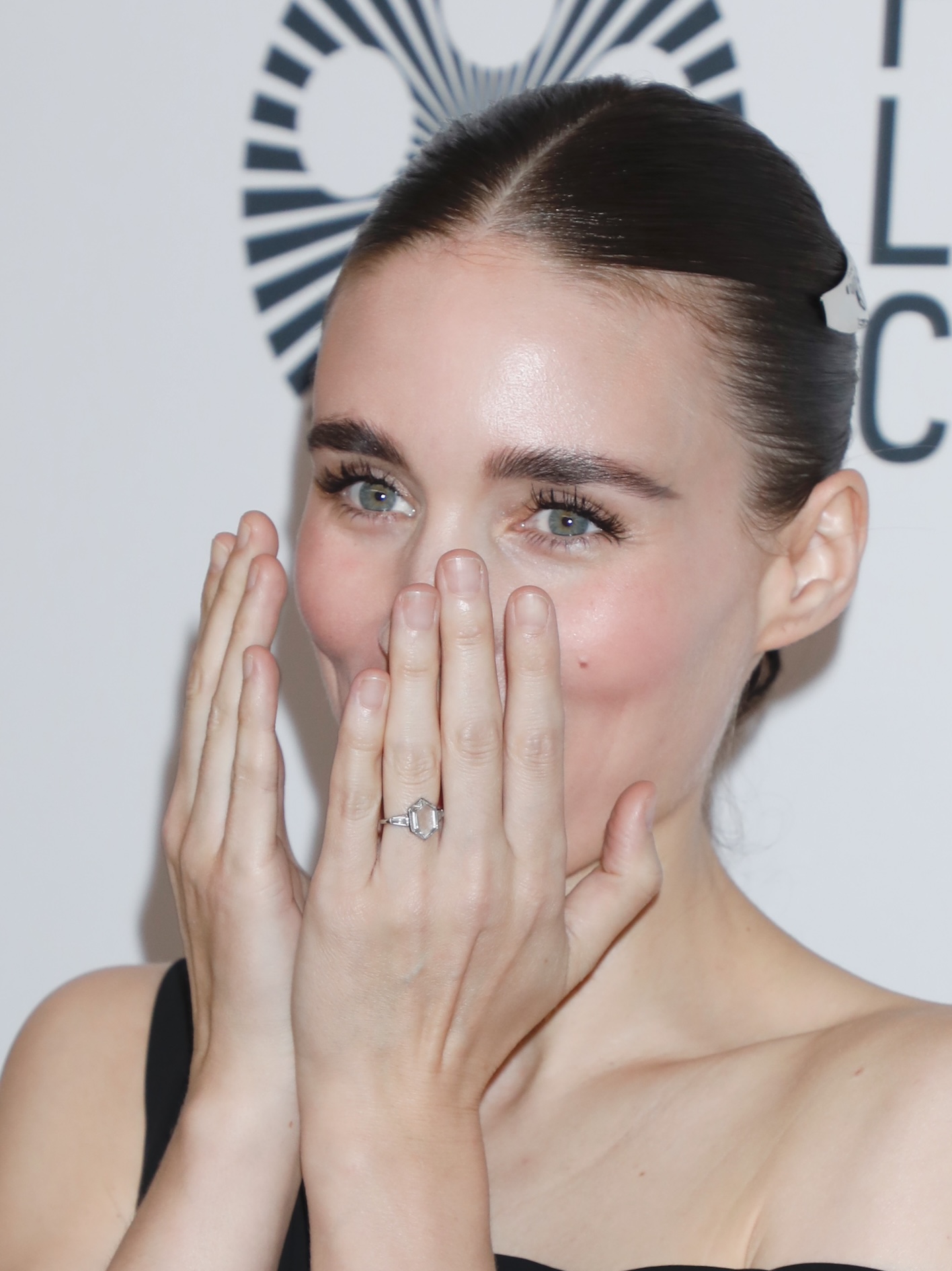
Supply-Chain Impact
Lab-grown diamonds offer jewelers greater control over size, shape, color, and clarity, as they are created in controlled environments without natural limitations. This enables customization that was previously cost-prohibitive, such as cutting unique shapes like Dutch marquise. For suppliers, this means increased demand for rough lab-grown diamonds and precision cutting services, as well as opportunities to offer OEM/ODM solutions for bespoke bridal pieces.
Quality and Sourcing Considerations

Not all lab-grown diamonds are equal; quality depends on the growth method, cutting precision, and expertise of scientists and jewelers. Buyers should source from trusted retailers or manufacturers with experienced teams to ensure brilliance and durability. This is critical for maintaining brand reputation in the competitive engagement ring market.
What Buyers Should Watch
Overseas buyers should monitor consumer preferences for specific shapes (e.g., marquise, oval, princess) and customization trends, as these drive demand for lab-grown diamonds. Additionally, sustainability and ethical sourcing are increasingly important to end consumers, making lab-grown diamonds a strong selling point. Suppliers should highlight transparency in production and offer flexible pricing to cater to budget-conscious buyers.

Compliance and Logistics Signals
While lab-grown diamonds share the same material composition as natural diamonds, they may require different certification and labeling for trade compliance. Buyers should ensure that suppliers provide clear documentation on growth methods and quality grades to avoid regulatory issues in key markets like the US and EU. Staying updated on import tariffs and customs requirements for lab-grown diamonds is also advisable.
Source: Read the original report | Published: June 02, 2026