A sharp correction in international gold prices has transmitted directly to Morocco’s jewelry market, creating a two-sided paralysis where both buyers and sellers are reluctant to transact. For overseas jewelry buyers sourcing from or monitoring North African markets, this standoff signals reduced liquidity, potential inventory distress among local jewelers, and a shift in consumer behavior that may affect regional gold jewelry supply chains.
Market paralysis in Casablanca
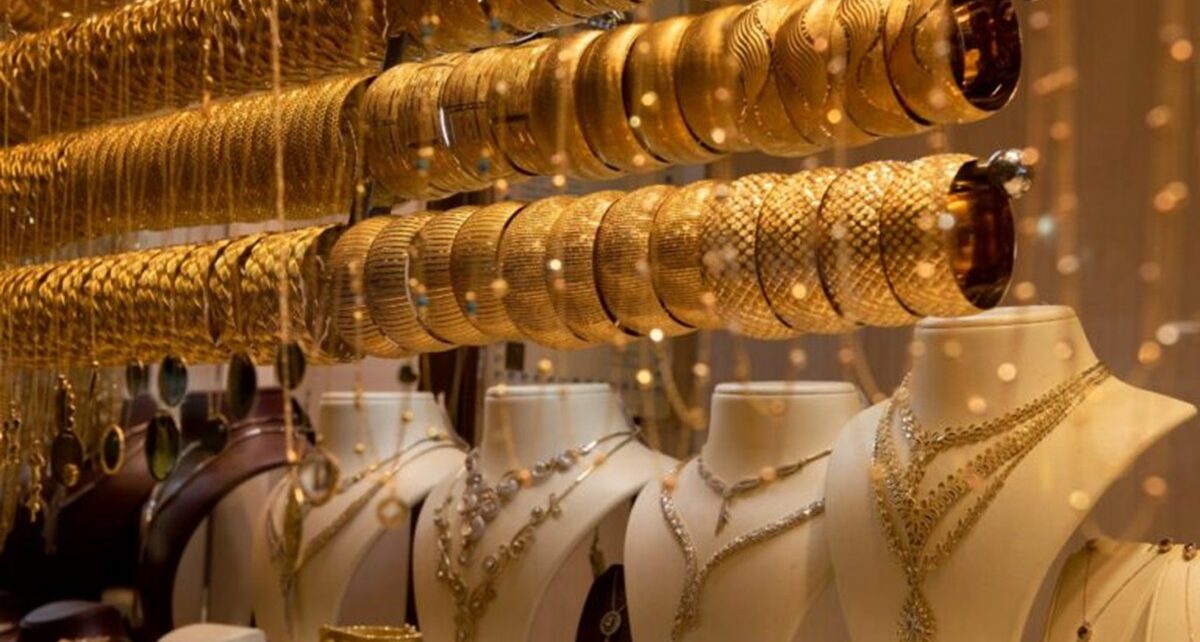
Gold prices have fallen more than 22 percent from their January 2026 peak, with the local price per gram dropping from nearly 1,400 Moroccan dirhams at the start of the year to around 970 dirhams today. Premium items now reach a ceiling of roughly 1,100 dirhams. Despite lower prices, demand has not picked up. Many Casablanca jewelers purchased inventories at or near the peak and are reluctant to sell at current levels without crystallizing significant losses. They are choosing to wait for a recovery rather than convert stock into cash at a discount.
Consumer hesitation deepens the standoff
Consumers who might otherwise be attracted by lower prices are equally hesitant. The prevailing view among buyers is that prices could fall further, making immediate purchase financially suboptimal. The result is unusually low transactional volume across Morocco’s gold retail sector. Households that purchased gold as a store of value or inflation hedge at or near the peak are also absorbing paper losses, with no clear timeline for recovery.
Geopolitical paradox and monetary policy
Gold is falling despite ongoing armed conflict in the Middle East — a geopolitical environment normally associated with safe-haven demand. The explanation lies in the specific character of the current conflict. When hostilities drive up energy and food costs, resulting inflation leads markets to anticipate a more restrictive stance from the US Federal Reserve, reinforcing the dollar and pushing bond yields higher. Both outcomes weigh structurally on gold. The near-term outlook for Morocco’s gold market therefore depends less on battlefield developments than on how American monetary policy expectations evolve.
What buyers should watch
For international jewelry buyers, this correction creates both risks and opportunities. Moroccan jewelers holding peak-priced inventory may be motivated to liquidate at a discount if the correction persists, potentially offering below-market pricing for bulk or distressed stock. However, the current standoff means transactional liquidity is low, and any recovery in demand will depend on consumer confidence in price stability. Buyers sourcing gold jewelry from Morocco should monitor local price trends and Federal Reserve policy signals closely, as these will determine when the market thaws.
Source: Read the original report | Published: June 15, 2026