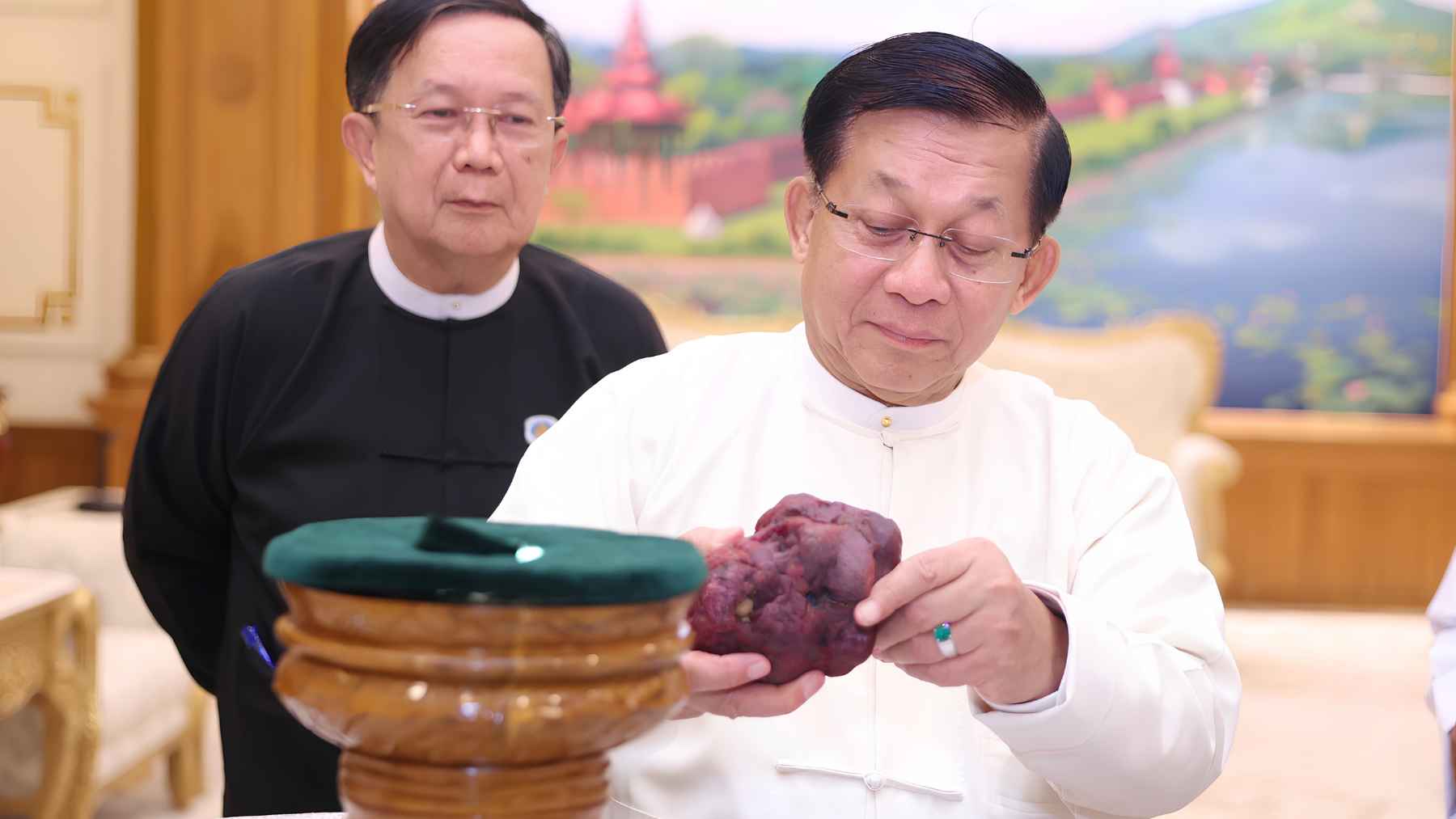
Miners near Mogok, Myanmar, have unearthed an 11,000-carat rough ruby weighing about 4.8 pounds, a find that could redirect global gem buyers' attention to one of the world's most famous ruby regions. The discovery, made in mid-April 2026, reignites critical discussions for jewelry supply-chain professionals around value, traceability, and the ethical sourcing of gemstones.
The discovery and its significance
The rough ruby, described as the second-largest ever found in Myanmar behind a 21,450-carat stone from 1996, was discovered just after the country's traditional New Year festival. Myanmar's official account suggests this stone may be more valuable than its heavier predecessor due to superior color, clarity, and overall quality. President Min Aung Hlaing and senior officials examined the gem at the President's Office in Naypyitaw, underscoring its national importance.
Quality factors for jewelry buyers
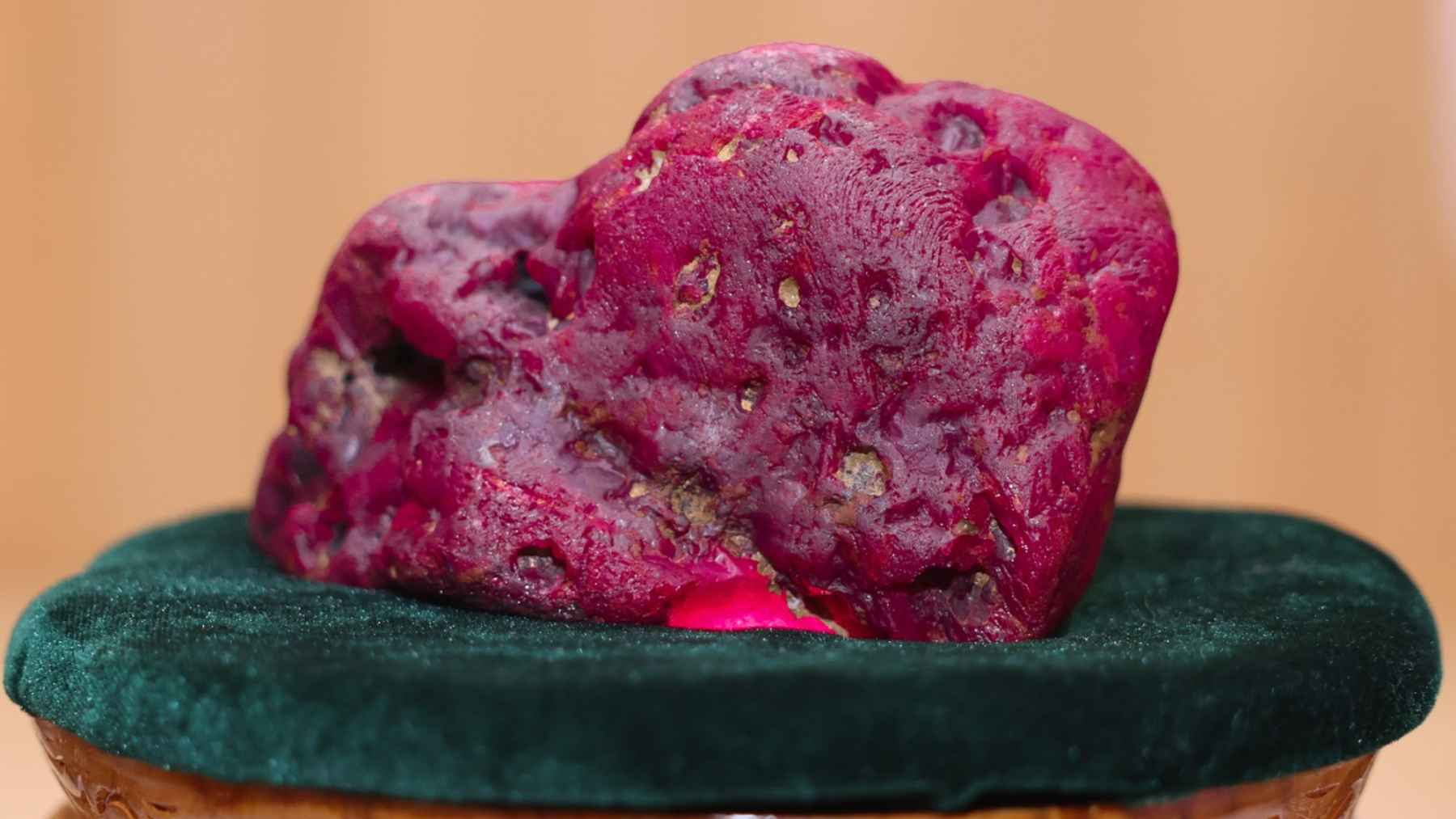
Color remains the primary determinant of a ruby's value, with the finest stones exhibiting pure red to slightly purplish red tones. The Mogok stone is described as purplish red with yellowish undertones, moderate transparency, and strong glass-like shine. Importantly, it is reported to be natural and untreated, a key attribute for high-end jewelry markets. As a rough stone, it still requires cutting, polishing, and authentication before its true market potential can be assessed.
Compliance and logistics signals
Myanmar produces up to 90 percent of the world's rubies, primarily from Mogok and Mong Hsu, making any major discovery there impactful for global supply. However, the gem trade in Myanmar is closely tied to state entities and armed groups. The U.S. Treasury sanctioned Myanma Gems Enterprise in 2021, and Global Witness has urged jewelers to stop buying Myanmar-sourced gems due to links to military abuses. International buyers will increasingly demand proof of origin and a clean chain of custody to sell in cautious luxury markets.
What buyers should watch
No official value has been announced for this ruby, as rough stones require study and authentication before yield estimates. For importers, distributors, and private-label brands, the key takeaway is the growing importance of traceability documentation. Even an extraordinary ruby can become difficult to sell without verifiable provenance. This discovery may accelerate industry moves toward blockchain-based tracking or third-party certification for high-value colored gemstones.
China sourcing context
While Myanmar remains the dominant ruby source, Chinese jewelry manufacturers and trading companies should monitor how this discovery affects regional supply dynamics. Mogok rubies have historically commanded premiums in Asian markets, but tightening international sanctions and ethical scrutiny may shift sourcing patterns toward alternative origins such as Mozambique or Thailand. OEM/ODM buyers should prepare for potential price volatility and increased documentation requirements for Myanmar-origin gems.
Source: Read the original report | Published: June 09, 2026