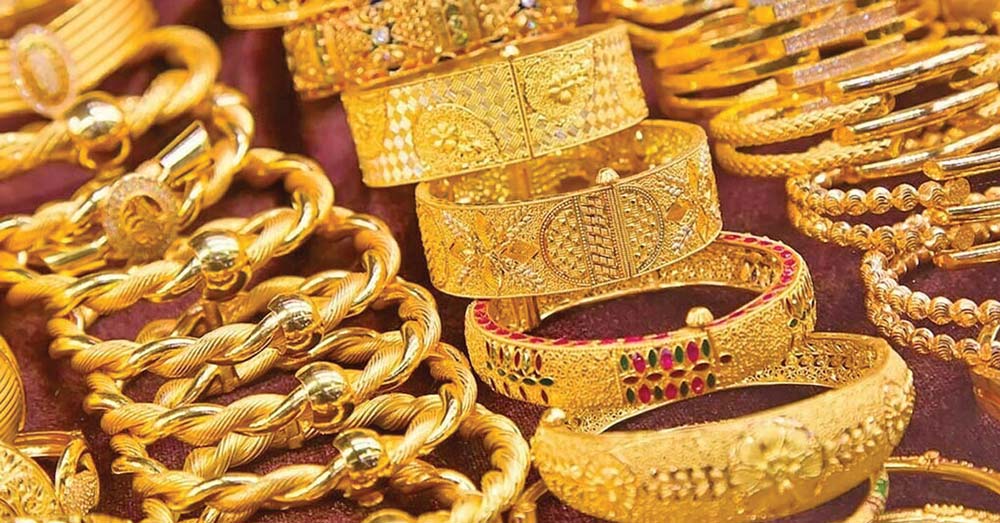
Nepal's gold price jumped sharply by Rs. 20,500 per tola on June 1, 2026, after the government doubled customs duty on gold imports from 10% to 20% in the new budget. The move, aimed at boosting revenue and curbing luxury consumption, immediately pushed domestic gold to Rs. 311,100 per tola, while international gold rose only modestly. Overseas jewelry buyers sourcing from or trading with Nepal should monitor this policy shift, as it raises landed costs and may reduce consumer demand in the Nepali market.
Supply-chain impact
The customs duty hike directly raises the cost of importing gold into Nepal, making it more expensive for local manufacturers and traders. With the duty now at 20%, the customs charge per tola is approximately Rs. 52,000, according to gold expert Tej Ratna Shakya. This increase will likely be passed down the supply chain, affecting prices for gold jewelry, findings, and bullion. For overseas buyers sourcing finished jewelry or semi-finished gold products from Nepal, this could mean higher export prices or reduced competitiveness compared to other sourcing destinations.
Compliance and logistics signals
The revised tax structure took effect immediately after the budget announcement on May 30, 2026, with no transition period. Importers and traders must adjust their customs declarations and cost calculations accordingly. The government also scrapped a 2% luxury tax on gold and a 13% VAT on diamonds, which may partially offset the duty hike for some products. However, the immediate implementation means that shipments in transit or already ordered may face unexpected duty costs. Buyers should verify the current duty rates with their Nepali suppliers before placing new orders.
What buyers should watch
Gold expert Tej Ratna Shakya warned that the duty increase could further push domestic prices upward and reduce consumer demand, potentially affecting government revenue. He noted that Nepal had previously reduced customs duty from 20% to 10% about 18 months ago when local prices became significantly higher than in neighboring India. The current reversal suggests that Nepal's gold market remains sensitive to fiscal policy changes. Overseas buyers should monitor whether this leads to a slowdown in Nepali gold jewelry exports or shifts in sourcing patterns toward India or other regional hubs.
China sourcing context
While this report focuses on Nepal, the policy change highlights broader trends in South Asian gold markets. China, as the world's largest gold consumer and a major jewelry manufacturing hub, may see indirect effects if Nepali buyers seek alternative supply routes or if regional price disparities widen. For buyers sourcing from China, the Nepal duty hike does not directly impact Chinese gold prices, but it could influence regional demand dynamics and trade flows. Staying informed about customs and tax changes across key markets helps buyers anticipate cost shifts and adjust sourcing strategies.
Source: Read the original report | Published: June 01, 2026