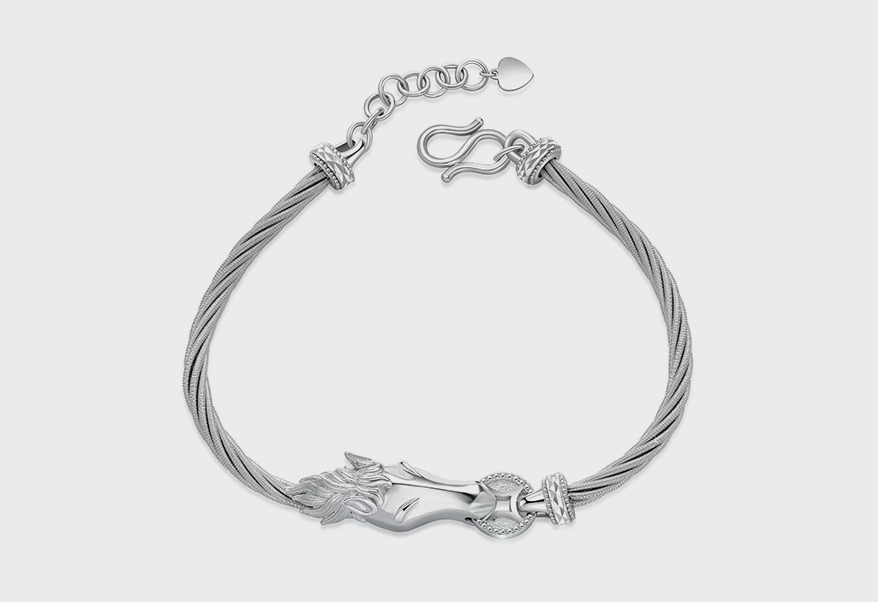
Platinum jewelry demand showed remarkable resilience in 2025, growing across all major markets despite record gold prices and US import tariffs, according to the Platinum Guild International's annual review. For overseas jewelry buyers, this signals sustained consumer interest in platinum as a profitable alternative to gold, particularly in bridal and love-gifting segments, with implications for sourcing strategies and product mix planning.
Supply-chain impact
China's platinum jewelry fabrication surged 56% year-on-year to 589,000 ounces in 2025, the strongest manufacturing year since 2022, driven by record gold prices drawing new players into the category. This manufacturing boom occurred while gold jewelry demand fell 25%, creating a shift in supply-chain dynamics. However, sell-out to consumers was more measured, with PGI partners reporting retail growth of 7%. For buyers sourcing from China, this indicates increased availability of platinum products but also potential inventory buildup that may affect pricing and lead times.
Market performance by region
In the United States, platinum jewelry demand grew 6% in 2025, contrasting with a 10% decline in gold jewelry. The price delta to gold made converting white gold to platinum a profitable proposition for retailers. Japan, the world's highest per-capita platinum market, saw demand grow 2%, with platinum's share of retail unit sales reaching 28%. India, platinum's fastest-growing market, recorded 4% manufacturing growth to 280,000 ounces, despite US tariff impacts on exports. PGI India partners also drove platinum's expansion into the Middle East.
Bridal and love-gifting opportunities
More than half of Chinese platinum demand is linked to three love-gifting occasions. PGI's May 20th Day of Love campaign delivered a 17% increase in average sales among participating partners, while a campaign with over 30 leading jewelry brands achieved a 110% sales increase. In the US, with lab-grown diamonds now chosen by over 60% of consumers for center stones, there is an opportunity for consumers to spend more on the metal in engagement rings. This trend is particularly relevant for bridal jewelry manufacturers and private-label brands.
What buyers should watch
For overseas importers and distributors, the key takeaway is platinum's growing price competitiveness against gold, which may influence product development and pricing strategies. The US market's white gold conversion incentive programs demonstrate a viable retail tactic that could be replicated. Additionally, India's expansion into the Middle East suggests new sourcing and distribution opportunities. Buyers should monitor platinum lease rates and manufacturing margins, which were squeezed in 2025, as these may affect supplier pricing in 2026.
Compliance and logistics signals
US import tariffs imposed in 2025, compounded by lack of clarity, had significant global impact on jewelry trade flows. India's manufacturing growth was tempered by these tariffs, affecting export volumes. For buyers, this underscores the importance of monitoring trade policy developments and diversifying sourcing options. The five markets highlighted—China, US, Japan, India, and the Middle East—each follow distinct trajectories in 2026, requiring tailored compliance and logistics strategies.
Source: Read the original report | Published: June 17, 2026