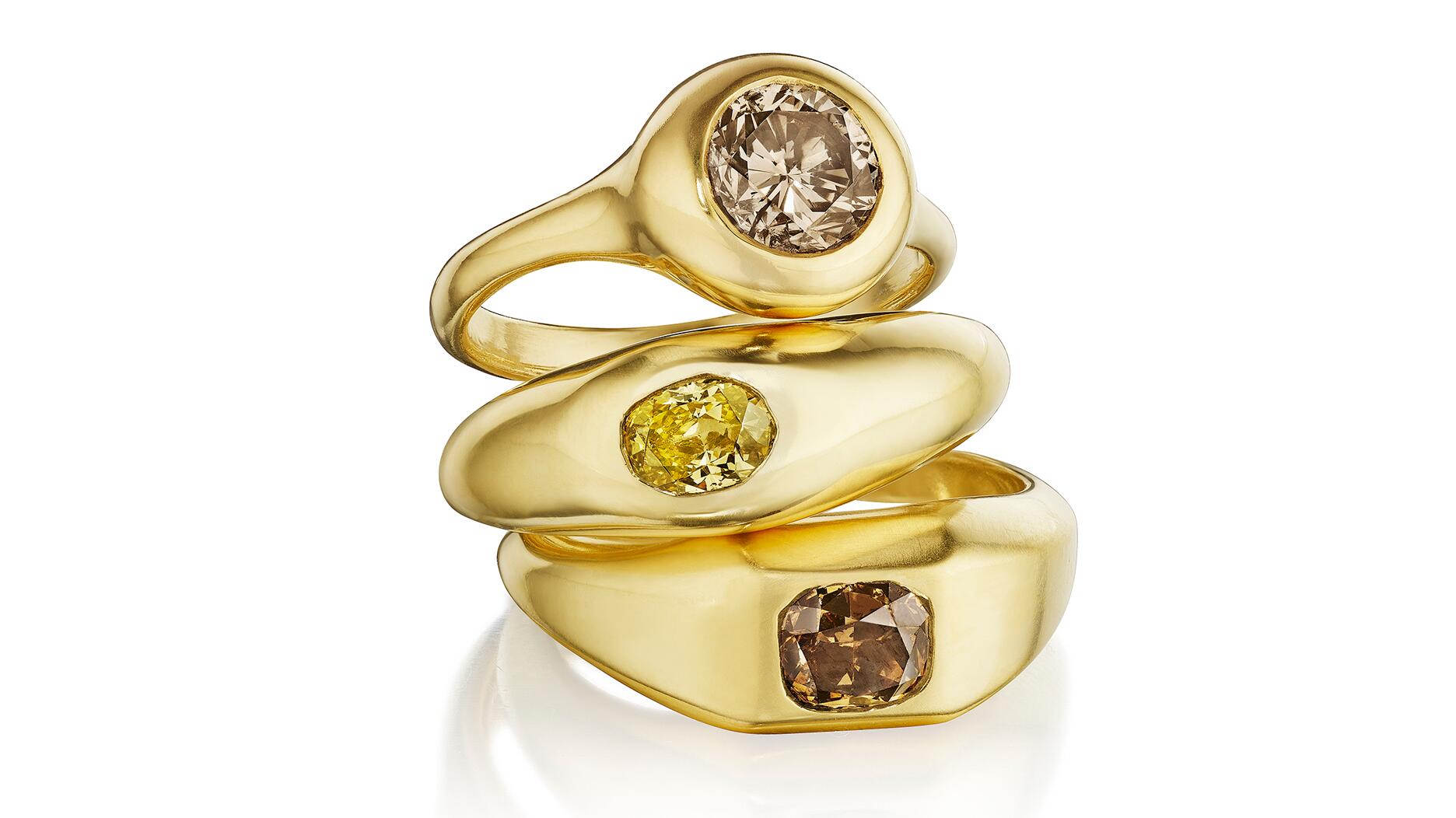
Natural diamonds face mounting pressure from lab-grown alternatives and shifting consumer values, especially among Gen Z buyers who prioritize size and price over tradition. For overseas jewelry buyers, this trend reshapes sourcing strategies, product positioning, and marketing approaches in the bridal and fine jewelry segments.
Market share shifts
Lab-grown diamonds now account for 61 percent of engagement ring center stones in 2025, a 239 percent increase since 2020, according to industry data. Natural diamonds' share of annual jewelry sales has slipped from about 50 percent to roughly 41 percent. Sales of natural diamond engagement rings dropped 4 percent in 2025, while lab-grown diamond engagement ring sales rose 31 percent. Lab-grown diamonds now represent about 15 percent of total diamond sales and just over half of engagement ring units sold.
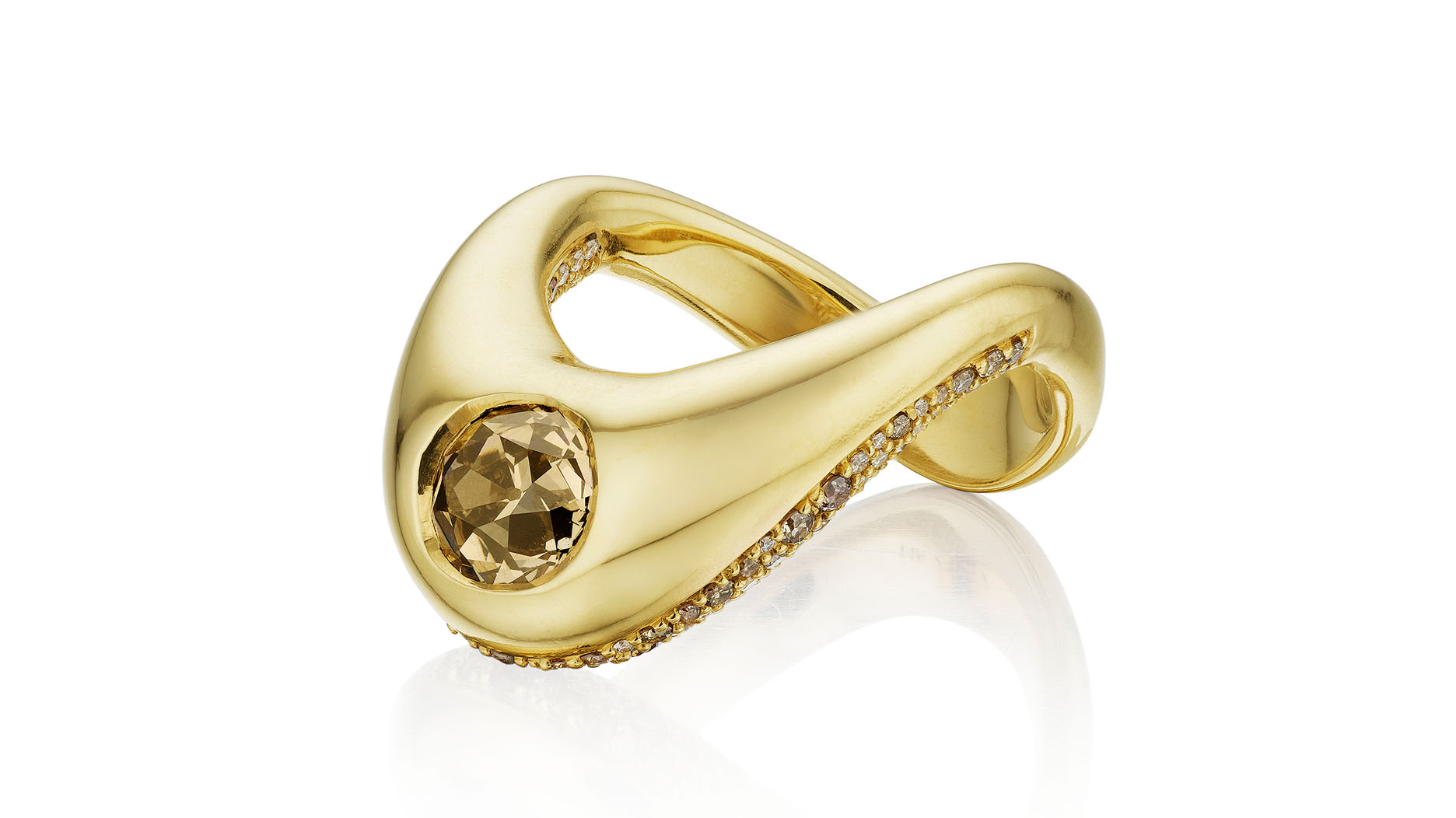
Gen Z preferences drive change
Gen Z consumers show a growing willingness to choose lab-grown diamonds for engagement rings, driven by economic pragmatism and evolving values. Forty percent of couples now say it is important that their engagement ring center stone be lab-grown. The 26-year-old speech pathologist Tucker-Natoli opted for a smaller natural diamond over a larger lab-grown stone, noting that sales associates often push larger lab-grown alternatives or moissanite. This generational shift challenges the traditional symbolism of natural diamonds.
Industry response and marketing
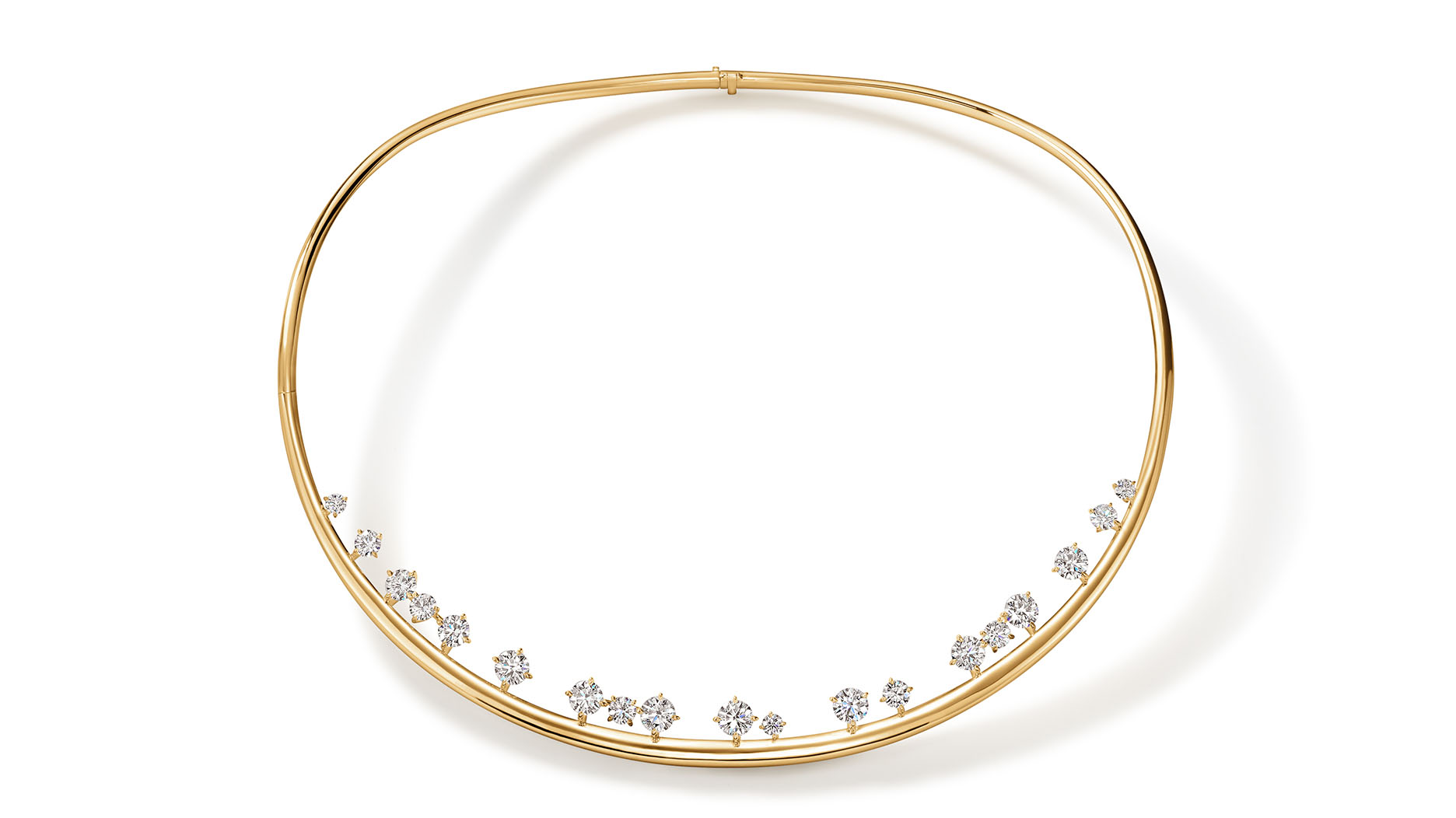
De Beers resumed category marketing in 2024 and 2025 after more than a decade of reduced consumer targeting, revitalizing the "A Diamond Is Forever" campaign. The Natural Diamond Council urges the trade to settle on core messages for outreach. Industry experts emphasize that natural diamonds' significance for Gen Z is weaker than for previous generations who grew up with iconic campaigns. The luxury market is also shifting toward experiential spending over conspicuous consumption.
What buyers should watch
Jewelry buyers should monitor the growing preference for lab-grown diamonds in bridal and fashion segments, as this affects demand for natural diamond inventory and pricing. Sourcing strategies may need to balance natural and lab-grown offerings, especially for engagement rings. Marketing should emphasize design, lifestyle, and symbolic values rather than just material components, as consumers increasingly pair diamond jewelry with casual attire. The trend toward experiential spending does not necessarily hurt jewelry sales if positioned as a forever companion.
China sourcing context
China remains a major manufacturing hub for both natural and lab-grown diamond jewelry, including rings, earrings, and necklaces. Suppliers offering OEM/ODM services for lab-grown diamond pieces are well-positioned to meet rising demand from Western markets. Buyers sourcing from China should verify lab-grown diamond certifications and quality testing protocols to ensure compliance with international trade standards. The shift toward lab-grown diamonds may also affect pricing and availability of natural diamond jewelry from Chinese manufacturers.
Source: Read the original report | Published: June 05, 2026