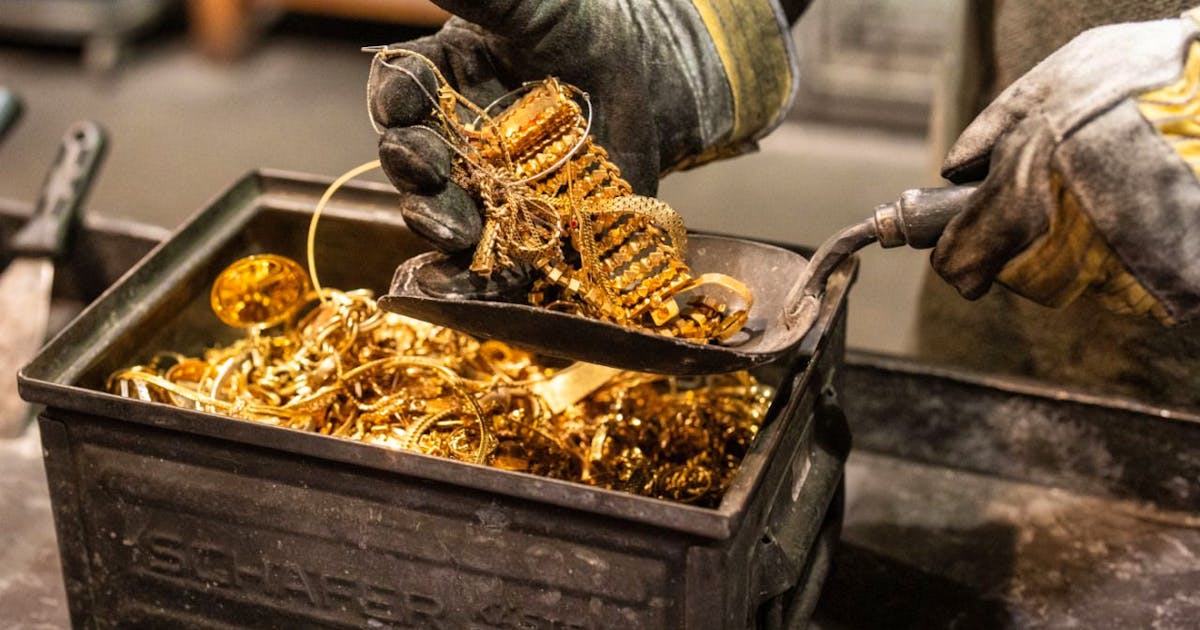
Swiss customs authorities have dismantled an organized smuggling ring that illegally imported approximately 230 kilograms of gold jewelry from Italy into Switzerland over several years, evading duties of around 800,000 Swiss francs. The case highlights ongoing compliance risks in cross-border precious metals trade that jewelry supply-chain buyers should monitor.
Scale of the smuggling operation
The Federal Office of Customs and Border Security (FOCBS) concluded its investigation into multiple suspects, with one major case involving roughly 190 kilograms of used jewelry smuggled over five months between 2021 and 2022. The evaded duties in this case alone exceeded 600,000 Swiss francs. A 56-year-old Italian citizen allegedly procured the jewelry from itinerant traders' warehouses in northern Italy and crossed weekly into Switzerland via unmanned border crossings, hiding the goods in backpacks without declaring them.
Downstream processing and license revocation
The smuggled gold was handed to two other defendants—a 66-year-old and a 35-year-old, both Italian citizens residing in Switzerland—who sold it to a company that melted it down. The FOCBS Precious Metals Control Division revoked this company's license. A separate case involving approximately 40 kilograms of gold and three additional defendants, all Italian residents in Switzerland, was also uncovered.
Legal framework and charges
The defendants face charges of tax and customs evasion as well as violations of the Precious Metals Control Act. Switzerland's Federal Act on the Control of Trade in Precious Metals and Precious Metal Articles (EMKG) regulates trade in raw materials, smelting materials, and precious metal articles including jewelry. Commercial purchase of scrap precious metals, production of smelting products, and analysis of smelting content are activities subject to authorization, with self-declaration required under customs law.
Compliance and logistics signals for buyers
This case underscores the importance of due diligence when sourcing gold jewelry or scrap from cross-border supply chains. Importers and distributors should verify that suppliers comply with precious metals trade regulations, including proper customs declarations and licensing for smelting operations. The revocation of the melting company's license serves as a warning that non-compliance can disrupt downstream processing capacity. Buyers working with Italian or Swiss suppliers should request documentation of customs clearance and precious metals control authorization to avoid supply-chain exposure to illicit material.
Source: Read the original report | Published: June 16, 2026