
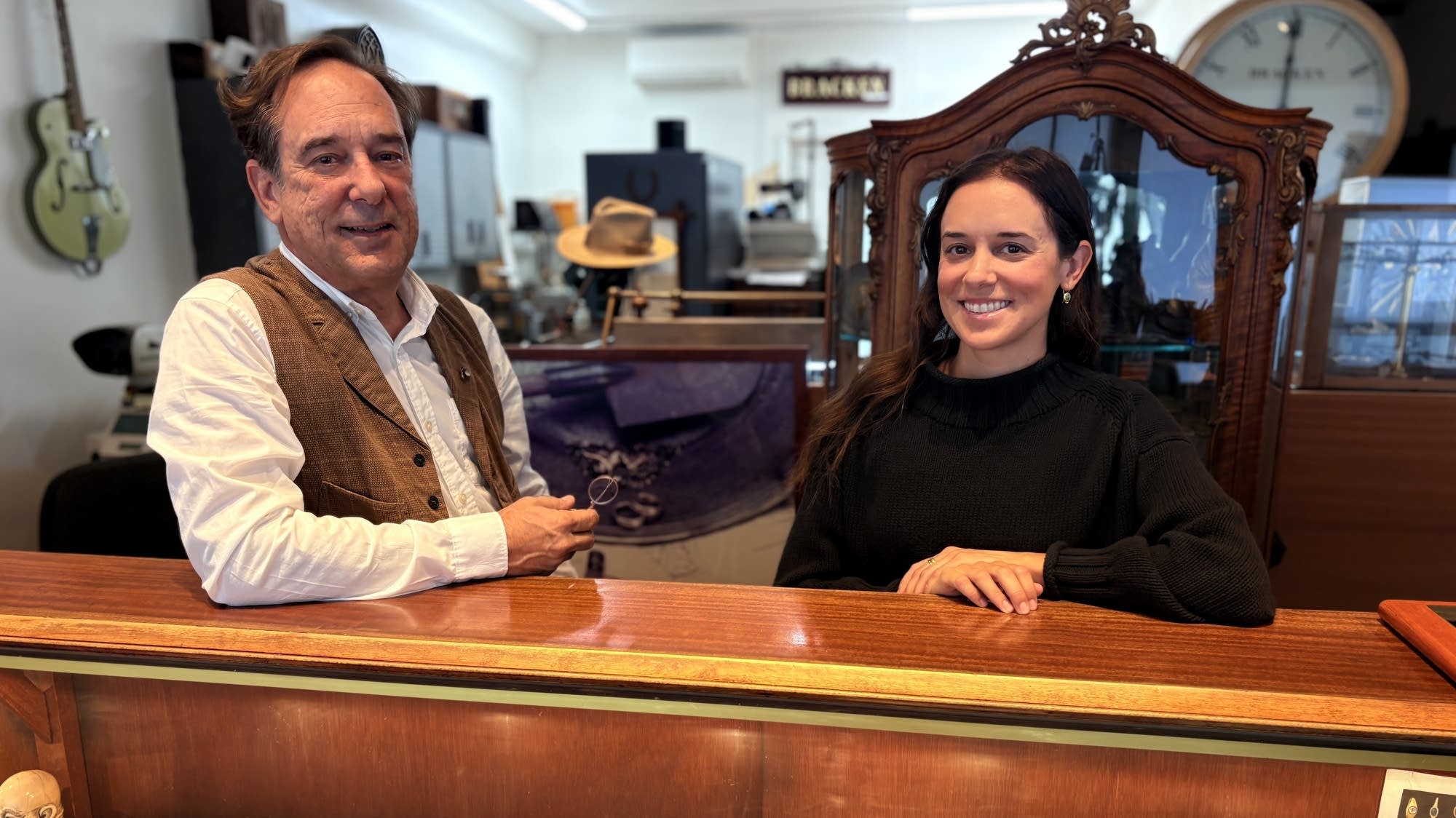
California master jeweler Todd Bracken operates a small-scale gold mine in the Sierra Nevada foothills to source raw material for his Santa Monica-based jewelry business, Bracken Jewelers. As gold prices peaked above $5,200 per ounce in 2025 and central banks overtook U.S. Treasuries in gold holdings, Bracken's vertical integration offers a rare hedge against soaring raw-material costs for overseas buyers seeking stable precious-metal supply chains.
The mine-to-bench model
Bracken and a business partner operate a historic gold mine dating back to the 1850s in an undisclosed Sierra Nevada location. He produces a line of jewelry made exclusively from this California gold, but extraction is labor-intensive. "You have to go through a huge amount of labor; you almost call it dirt farming," Bracken said. For jewelry importers and private-label brands, this model demonstrates how vertical integration can reduce dependency on volatile commodity markets.
Macroeconomic pressures on gold sourcing
Even owning a mine does not shield Bracken from rising costs. Gold prices surged in 2025 as investors and central banks piled into the safe-haven asset, mirroring the 1970s–1980s inflation era. The European Central Bank reported that central-bank gold holdings overtook U.S. Treasuries in 2025. This price environment has also attracted a new generation of hobbyist gold panners, further tightening supply for commercial buyers.
What buyers should watch
Bracken's story highlights a growing trend: small-scale, traceable gold sourcing that appeals to ethical and premium-market buyers. For overseas distributors and trading companies, this signals rising interest in "mine-to-market" provenance, which could influence pricing and certification requirements. Jewelry brands sourcing from the U.S. should monitor how small miners manage cost pressures and whether similar models emerge in other gold-producing regions.
Compliance and logistics signals
Operating a historic mine involves environmental and labor regulations that differ from large-scale mining. Importers should verify that small-mine gold meets OECD due-diligence guidelines and the U.S. Dodd-Frank Act's conflict-minerals provisions. Bracken's approach also suggests that domestic sourcing can reduce shipping delays and tariff exposure, a factor increasingly relevant for buyers seeking resilient supply chains.
Source: Read the original report | Published: June 05, 2026