
De Beers Group CEO Al Cook told National Jeweler that the lab-grown diamond bubble is bursting as prices collapse and consumer confusion fades, while natural diamond supply faces structural decline with Canadian mining potentially ending by 2027. In an interview at JCK Las Vegas, Cook also expressed optimism that U.S. tariffs on natural diamonds will be eliminated, and highlighted the growing appeal of De Beers' Desert Diamonds collection among Gen Z buyers seeking individuality and heritage.
Tariff outlook for natural diamonds
Cook said he is optimistic that the U.S. will not impose tariffs on natural diamonds, noting that diamonds are not mined commercially in America and tariffs would only act as a tax on newlyweds without creating U.S. jobs. He has been meeting with Commerce Secretary Howard Lutnick and other Washington officials to build understanding of the diamond industry's unique supply chain. For overseas buyers, this signals potential cost stability for natural diamond imports into the U.S. market, which remains the world's largest consumer of diamond jewelry.
Lab-grown diamond market correction
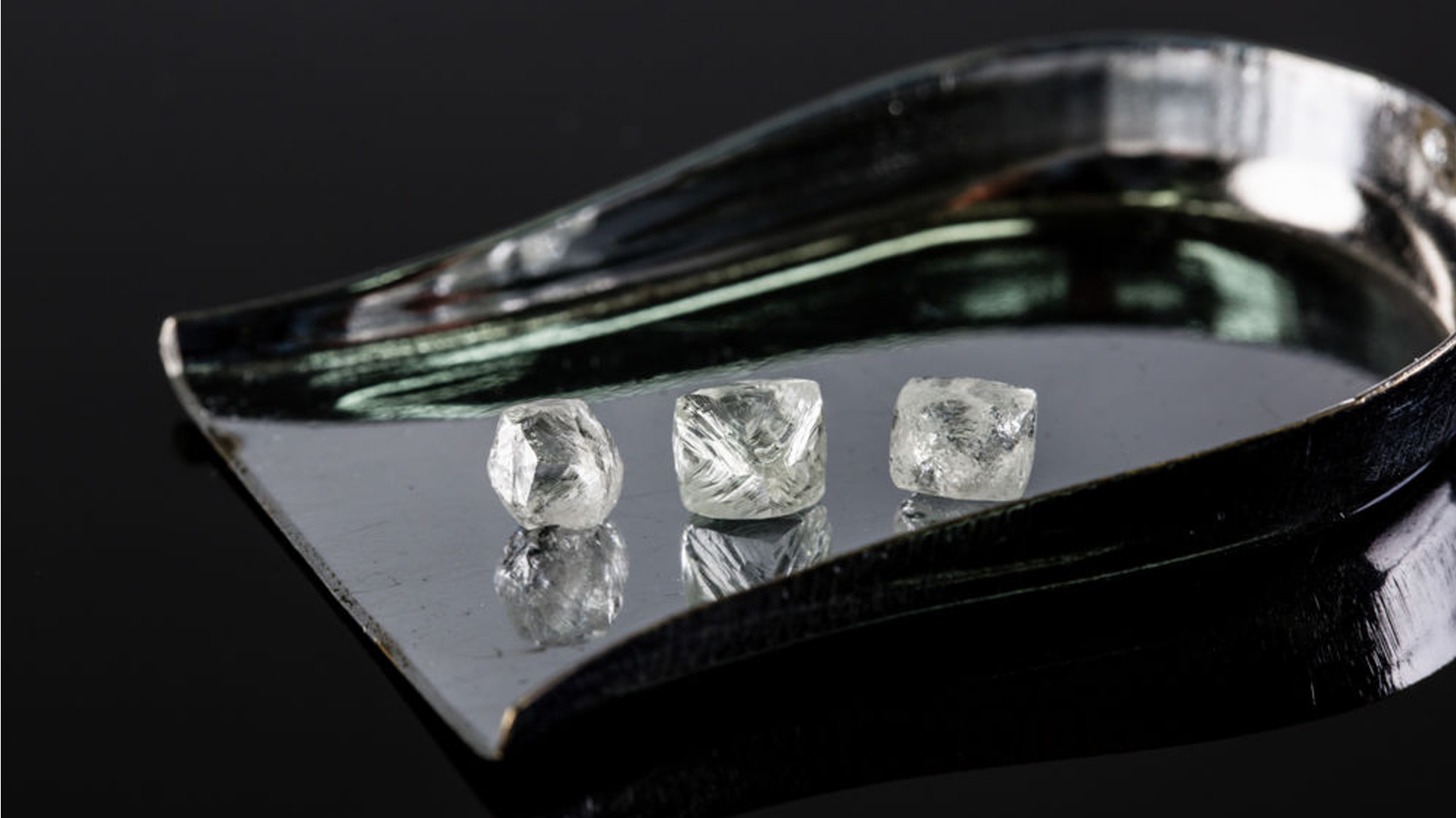
Cook described the lab-grown diamond market as a "bubble" that is now bursting, driven by oversupply from Chinese factories and falling retail prices. He warned that consumers who paid high prices for lab-grown diamond rings are returning to stores disappointed by their resale value. He predicted lab-grown diamonds will eventually become a low-cost commodity sold at mass-market retailers like Walmart, rather than a fine jewelry product. This shift reinforces the value proposition of natural diamonds for bridal and premium jewelry segments.
Supply constraints and Canadian mining timeline

Cook noted that 2027 could be the last year of diamond mining in Canada, as De Beers has suspended new expansion at the Gahcho Kué mine due to current market conditions. Combined with declining production from mature mines in Botswana, Namibia, and South Africa, this points to a tightening supply of rough diamonds in the coming years. For buyers and manufacturers, this may lead to higher prices and greater competition for natural diamond rough, making long-term sourcing agreements more critical.
What buyers should watch
Overseas jewelry buyers should monitor three key developments: the outcome of U.S. tariff negotiations on diamonds, which could affect landed costs; the pace of lab-grown diamond price declines, which may reshape product mix decisions; and the pending sale of De Beers, with interest from producer governments in Botswana, Namibia, and Angola. Additionally, De Beers' Desert Diamonds collection—featuring warm white, light yellow, and soft brown diamonds—is gaining traction in bridal and fashion segments, signaling a trend toward colored natural diamonds that could open new product opportunities for OEM/ODM suppliers.

China sourcing context
Cook's comments on Chinese factory production of lab-grown diamonds underscore the competitive pressure on Chinese manufacturers to differentiate through quality, certification, and design rather than price alone. As the lab-grown diamond market commoditizes, Chinese suppliers focused on natural diamond jewelry, bridal sets, and colored diamond pieces may find stronger demand from U.S. and European buyers seeking authentic, heritage-driven products. The shift also highlights the importance of transparent sourcing and compliance with evolving trade regulations.
Source: Read the original report | Published: June 09, 2026