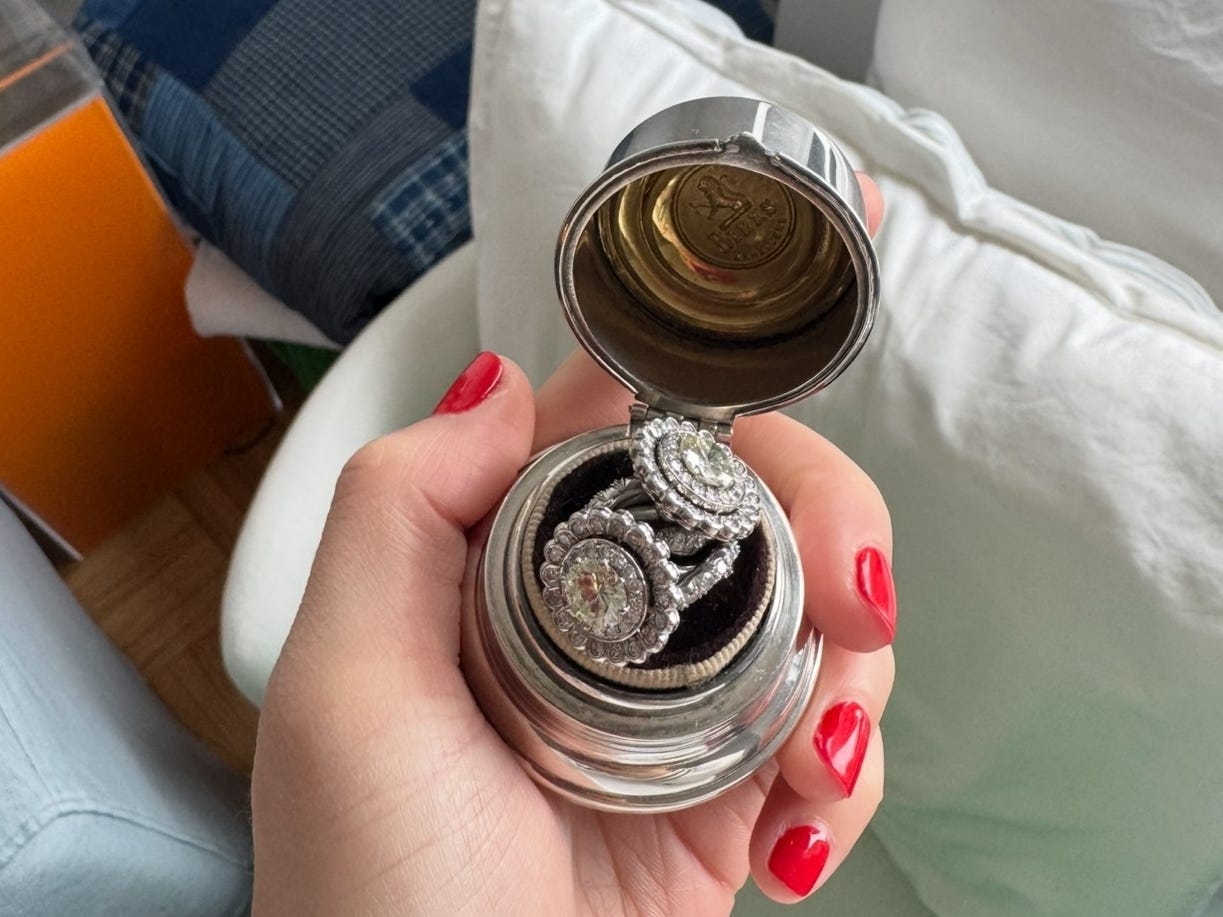
A surge in luxury spending among younger U.S. consumers is revitalizing demand for natural diamonds, with average purchase values now exceeding $4,000 per piece. This trend offers a critical lifeline for African diamond-producing nations such as Botswana, Angola, Namibia, South Africa, and Lesotho, which rely heavily on exports to the world's largest diamond jewelry market. For overseas buyers, the shift signals sustained premium positioning for natural diamonds over lab-grown alternatives.
Gen Z driving demand and spending
De Beers' latest U.S. Diamond Acquisition Study, surveying 18,500 women, reveals that Generation Z now accounts for 23% of natural diamond demand by value, despite representing only 18% of the U.S. population. Their average purchase value of $4,080 per piece significantly outpaces Baby Boomers' $2,250. This generation is expanding diamond buying beyond traditional engagement occasions into lifestyle-driven purchases such as career milestones, celebrations, and self-gifting.
Natural diamonds outpace lab-grown in consumer preference
The study found that 11% of U.S. respondents ranked natural diamond jewelry as their most desired luxury gift, ahead of lab-grown diamonds (8%), other gemstones (5%), and plain gold jewelry (4%). Data from 950 independent U.S. jewelers further confirms that natural diamonds accounted for 85% of diamond jewelry sales value in 2025, compared with just 15% for lab-grown stones. This reinforces the enduring premium status of natural diamonds in the U.S. market.
Price and carat weight trends
Average natural diamond jewelry prices have risen 25% year-over-year to $4,063, up from $3,242 in 2023. Average carat weights also increased from 1.65 carats to 1.86 carats. While bridal purchases still represent 45% of Gen Z demand, the growing share of non-bridal, lifestyle-driven purchases is pushing both price points and stone sizes higher, signaling opportunities for suppliers to offer larger, higher-value natural diamond pieces.
Supply-chain impact for African producers
For African diamond-producing economies, the findings arrive amid a prolonged global demand downturn and competition from lab-grown diamonds. Botswana, whose economy is heavily dependent on diamond exports, has faced slowing growth. However, combined with expectations of declining global natural diamond production and stabilizing demand in the U.S. and China, the latest consumer trends offer a potential lifeline. Countries like Botswana, Angola, Namibia, South Africa, and Lesotho stand to benefit directly from sustained U.S. preference for natural stones.
What buyers should watch
Overseas buyers should monitor the shift in U.S. consumer behavior toward higher-value natural diamond purchases, particularly among Gen Z. The trend suggests that natural diamond jewelry will maintain its premium positioning, with average prices and carat weights continuing to rise. For sourcing strategies, this may mean prioritizing natural diamond inventory over lab-grown for the U.S. market, and watching for potential supply constraints as global production declines. The data also underscores the importance of marketing natural diamonds for non-bridal occasions to capture Gen Z's lifestyle-driven spending.
Source: Read the original report | Published: June 12, 2026