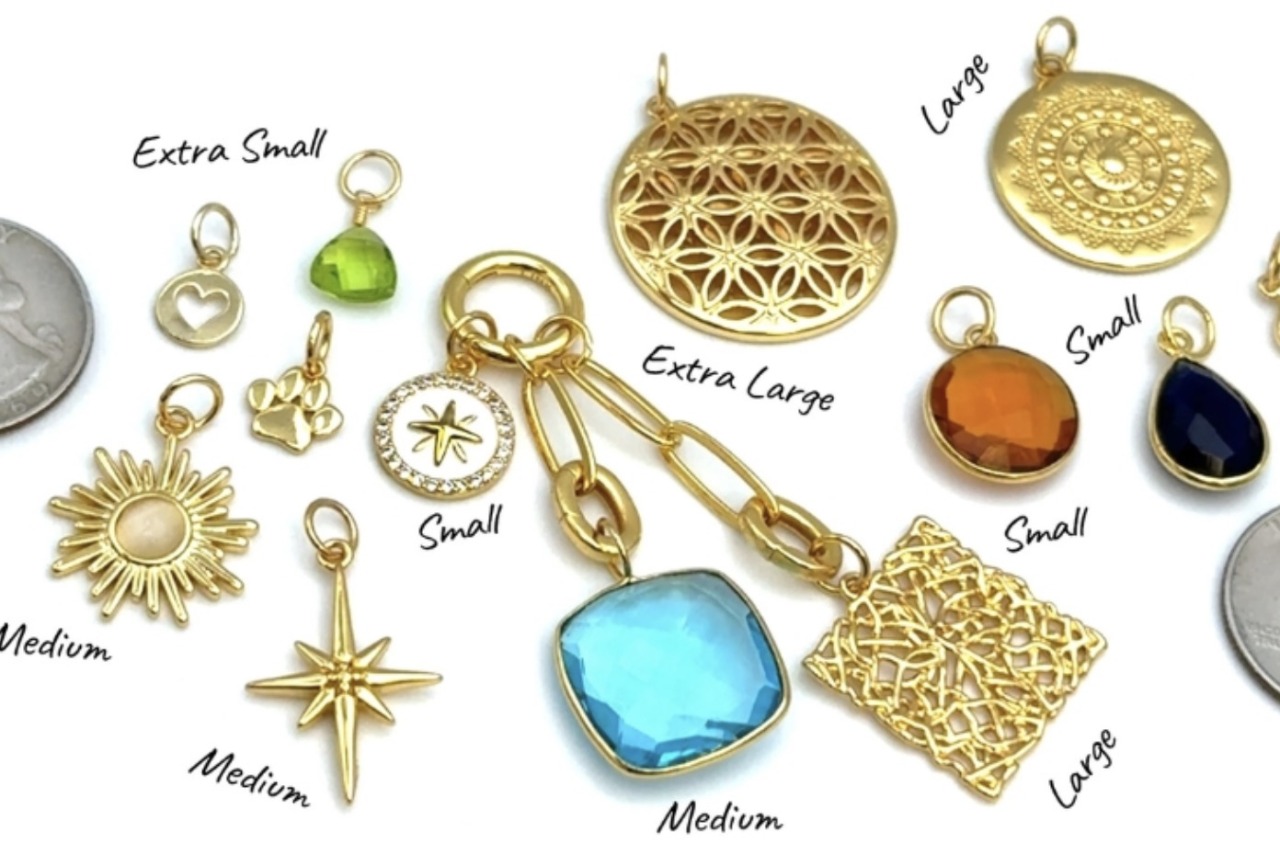
LINK Necklaces, a New York-based jewelry brand founded in 2020, has built a business around modular, customizable necklaces and pendants, reporting revenue growth from $750,000 in 2024 to $1.7 million in 2025. The company's approach—allowing customers to mix chains, pendants, clasps, and hardware—reflects a broader shift toward personalization in the affordable luxury segment, offering overseas buyers a model for modular jewelry supply and consumer engagement.
Supply-chain impact
LINK Necklaces operates with a modular system that enables customers to update their jewelry over time rather than replacing entire pieces. This design philosophy has direct implications for sourcing: the company relies on high-quality brass with heavy 18k gold or silver plating and an anti-tarnish lacquer coating. For suppliers, this signals demand for durable, customizable components such as pendants, clasps, and chain segments that can be sold individually or as part of a system.
The company releases approximately four new pendant designs each month, indicating a steady need for new molds, plating finishes, and packaging solutions. Buyers in the OEM/ODM space should note the emphasis on interchangeable hardware, particularly the signature circular push-in clasp, which supports both functionality and brand identity.
What buyers should watch
LINK Necklaces primarily serves women aged 55 to 65 and older, with plans to expand into the 40-plus demographic. This target market values personalization and direct communication with the founder for custom concepts. For importers and distributors, this suggests a growing niche for customizable jewelry that balances high-end aesthetics with accessible price points—a segment that may require flexible supply chains capable of small-batch production and rapid design iteration.
The brand's revenue jump from $750,000 to $1.7 million in one year highlights strong consumer demand for modular jewelry. Overseas buyers should monitor similar brands adopting interchangeable systems, as this could influence sourcing trends for clasps, pendants, and anti-tarnish coatings.
Compliance and logistics signals
While LINK Necklaces is a U.S.-based brand, its reliance on plated brass and lacquer coatings raises considerations for international trade compliance. Importers should verify that anti-tarnish treatments meet EU REACH or U.S. CPSIA standards for nickel content and heavy metals. The company's boutique packaging approach—premium pouches and hand-assembled orders—also suggests a premium unboxing experience that may require specialized packaging suppliers.
China sourcing context
For Chinese manufacturers and trading companies, LINK Necklaces' model underscores opportunities in modular jewelry components. The demand for interchangeable pendants, clasps, and chain segments with consistent plating quality is likely to grow. Suppliers capable of producing small-batch, high-mix orders with fast turnaround times could find alignment with brands targeting the affordable luxury segment. Additionally, the anti-tarnish lacquer coating is a value-add that many overseas buyers seek for long-lasting fashion jewelry.
Key takeaway
LINK Necklaces demonstrates that modular, customizable jewelry can achieve significant revenue growth while maintaining a boutique brand experience. For B2B buyers, the key lessons are the importance of interchangeable hardware, consistent plating quality, and the ability to support frequent new design releases. As personalization trends continue, suppliers who can offer flexible component systems and premium finishes will be well-positioned.
Source: Read the original report | Published: June 11, 2026