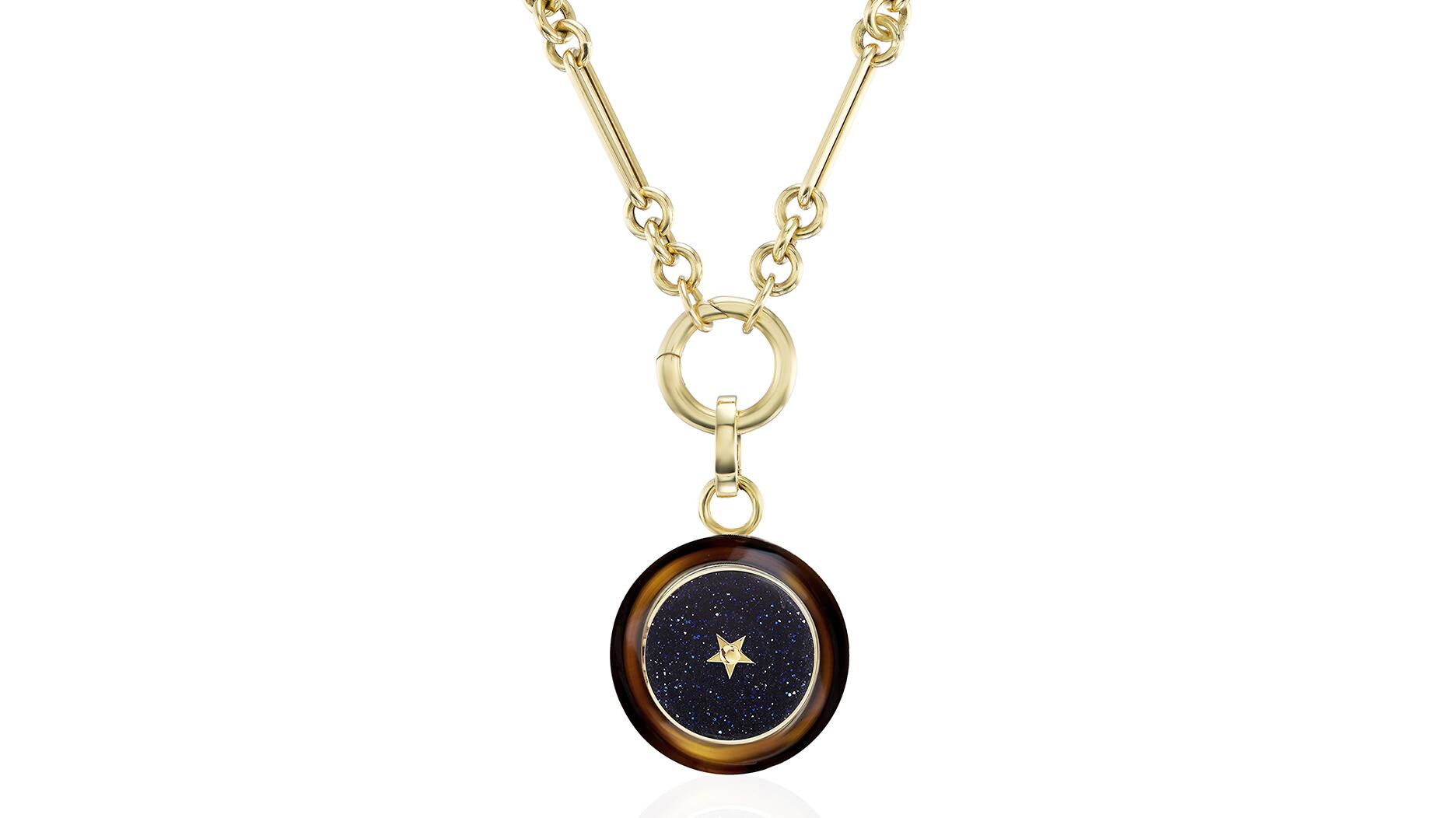
As gold prices surge to unprecedented levels, jewelry designers are pivoting to alternative materials, smaller collections, and investment-focused storytelling to stay competitive. For overseas buyers, this shift signals a market where creativity and material innovation are becoming key differentiators, impacting sourcing strategies and product offerings.
Supply-chain impact
The doubling of gold prices from $2,625 per ounce in 2025 to a 2026 peak of $5,340 has forced designers to rethink material use and production volumes. Many are incorporating wood, leather, and antique glass to reduce gold content while maintaining aesthetic appeal. This trend may affect sourcing decisions for importers and private-label brands, as suppliers increasingly offer mixed-material pieces that balance cost and design.
Designer strategies
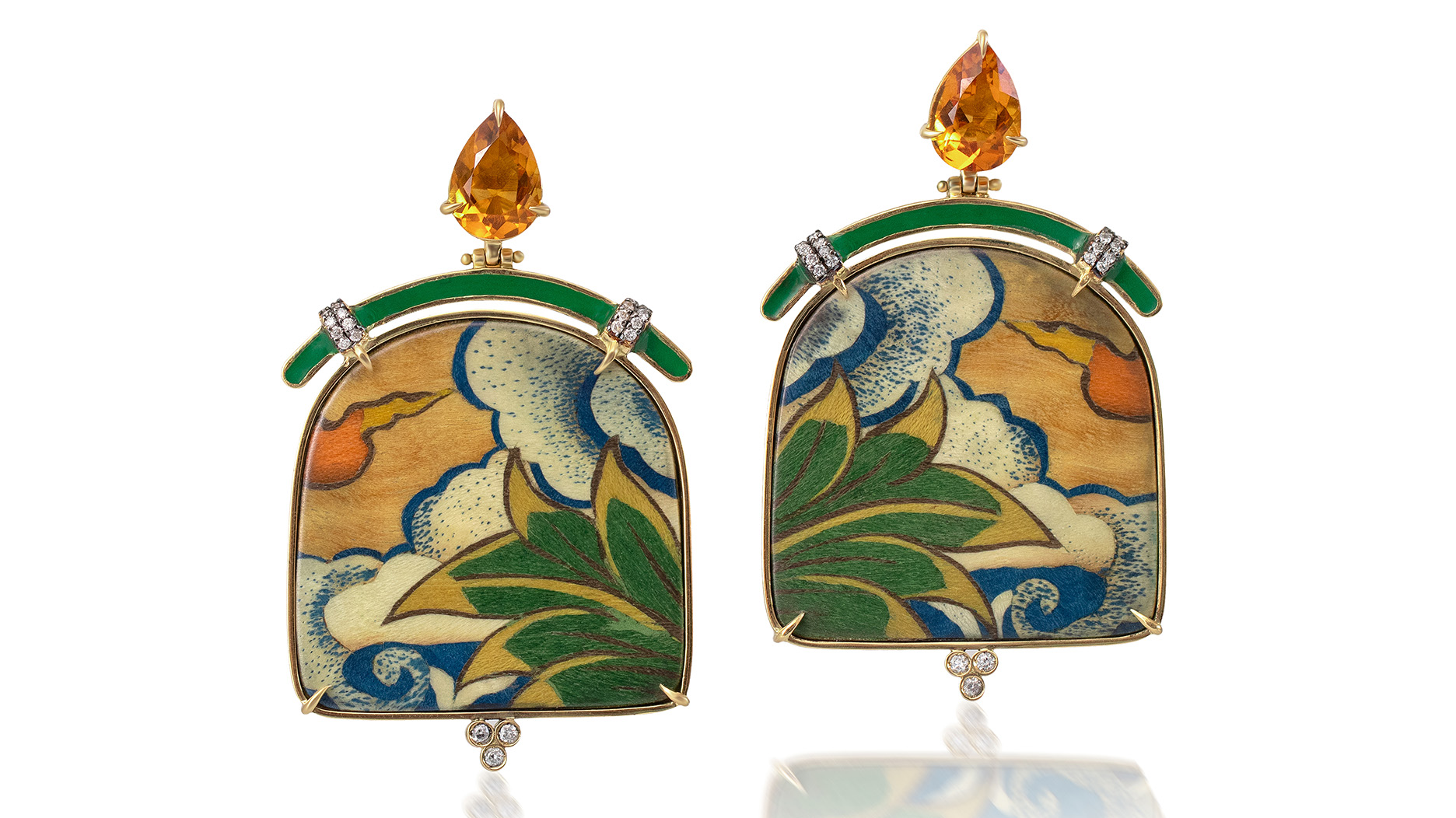
Designers like Anna Maccieri Rossi and Silvia Furmanovich are leading the shift, using wood, bamboo, and papier mâché alongside 18-karat gold. Jennifer Shanker of Muse notes that the rising gold price has pushed designers to be more intentional, creating meaningful, one-of-a-kind pieces rather than excessive collections. This approach allows for flexible pricing and differentiation in a crowded market.
Market outlook
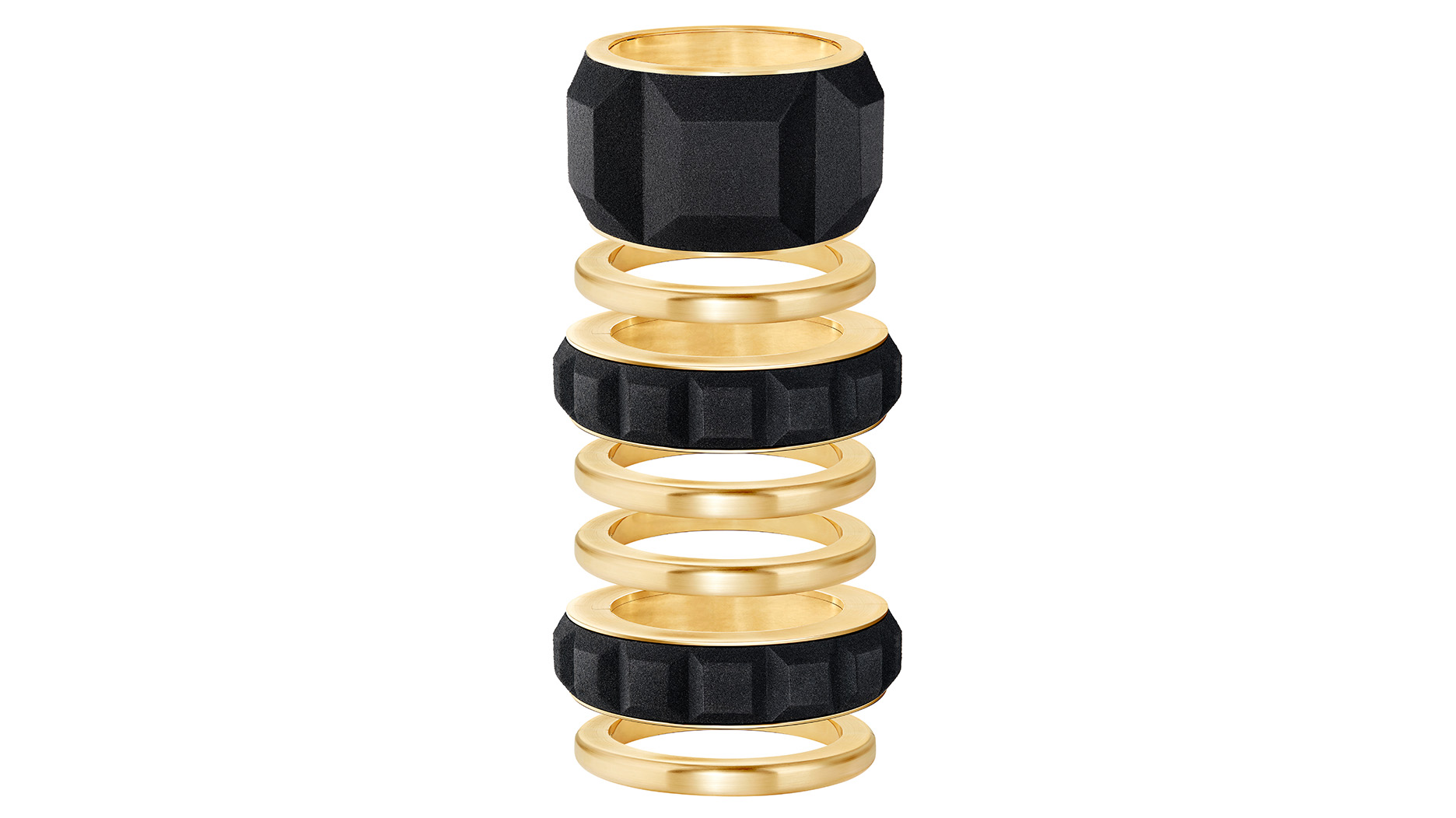
David Siminski of United Precious Metals predicts gold could reach $10,000 per ounce, driven by central bank purchases and retail investor demand. He notes that even a 10-20% correction won't change the long-term trajectory. For buyers, this suggests sustained pressure on gold jewelry pricing and a growing need to explore alternative materials or adjust product tiers.
What buyers should watch
Overseas buyers should monitor the rise of mixed-material jewelry from brands like HOWL, which uses Venetian glass to mimic gemstones without the cost. This trend may expand into OEM/ODM production, offering cost-effective options for bridal and fashion lines. Additionally, designers' focus on unique, limited-edition pieces could create opportunities for exclusive collections in private-label partnerships.
Compliance and logistics signals
While the article does not address trade compliance directly, the volatility in precious metal prices may impact customs valuations and tariff calculations for gold jewelry imports. Buyers should stay informed about metal price fluctuations and consider hedging strategies or contractual price adjustment clauses when sourcing from suppliers.
Source: Read the original report | Published: June 03, 2026