Editor’s Note
**Editor’s Note:** This piece offers a rare glimpse into the quiet craftsmanship behind Kalevala, a Finnish jewelry maker with nearly 90 years of history. The contrast between the factory’s unassuming exterior and the meticulous artistry within underscores a deeper narrative about Nordic design and industrial heritage.
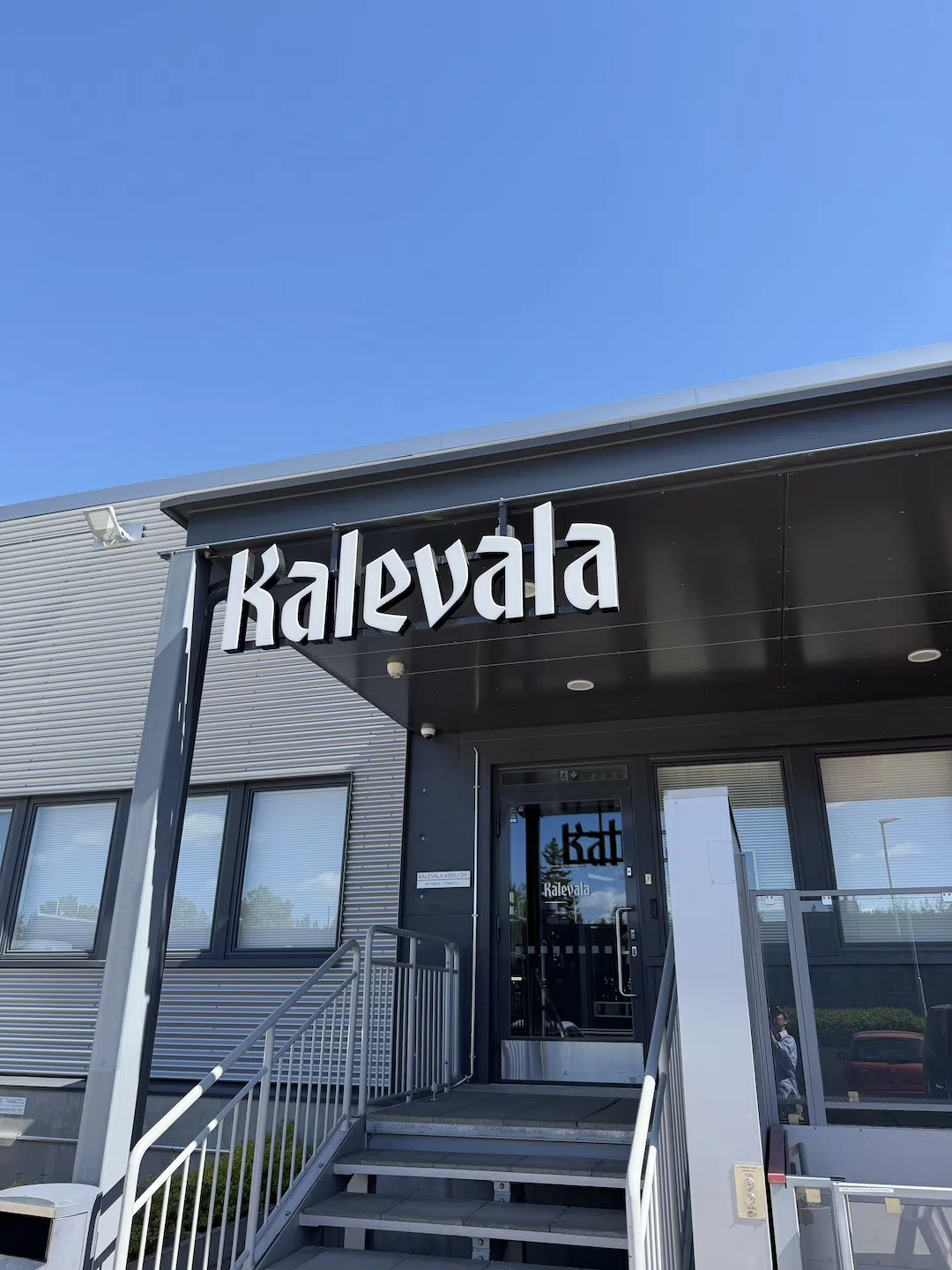
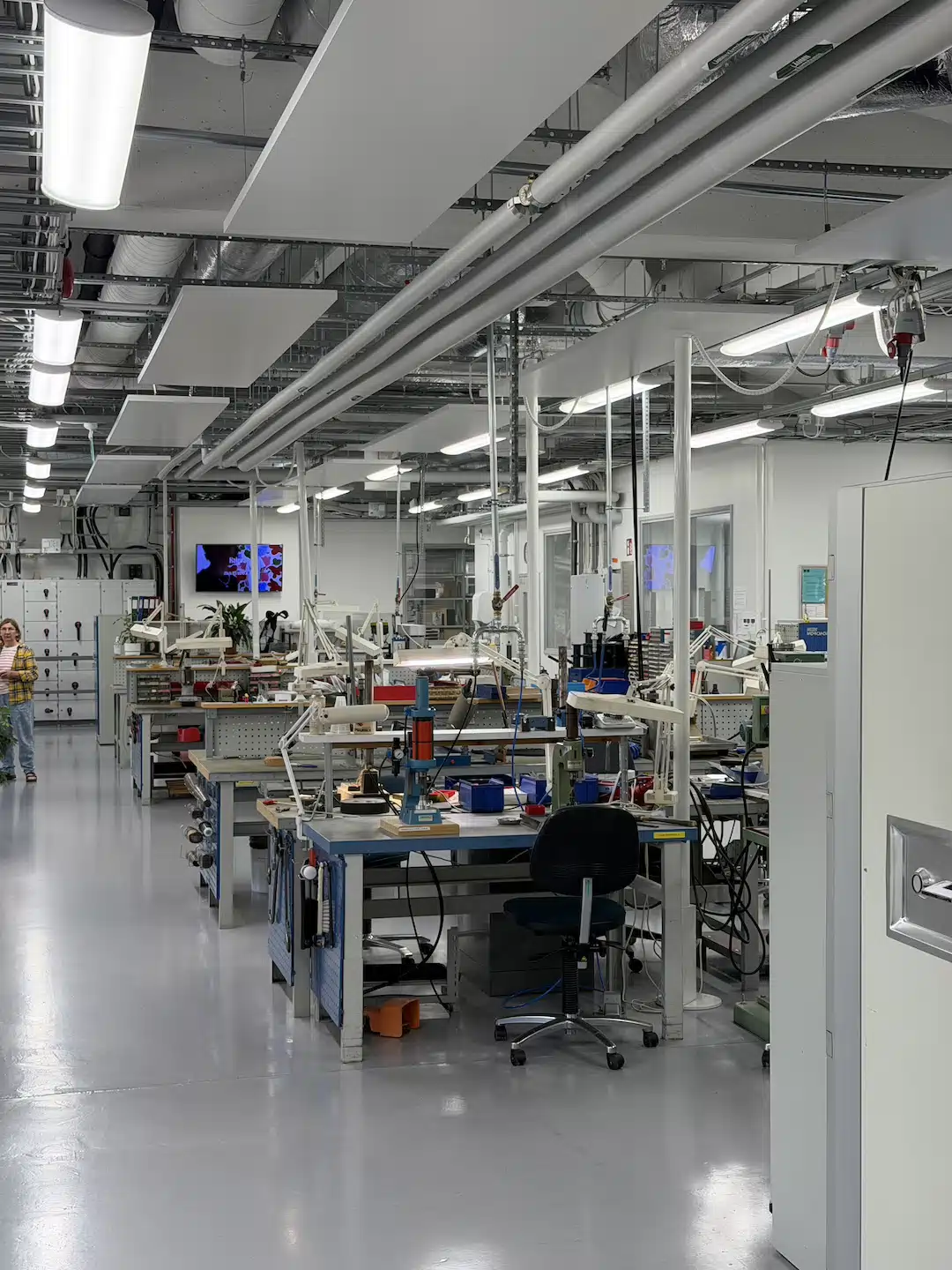
The headquarters and factory of Kalevala, located on the outskirts of Helsinki, employ about 80 staff. The building, relocated to its current site two years ago, is surprisingly simple in appearance, giving a minimalist Nordic impression. However, stepping inside the factory dramatically changes that perception.
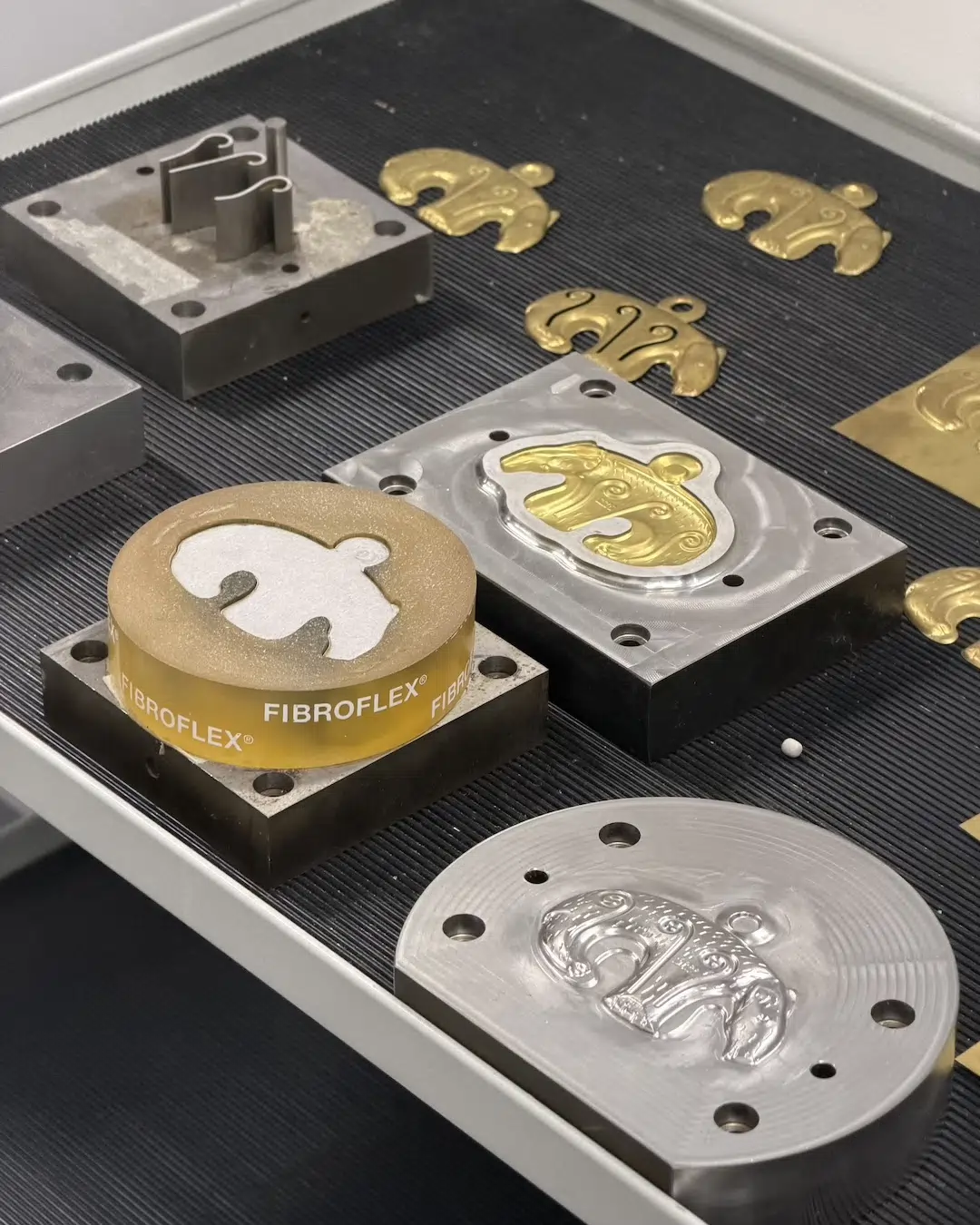
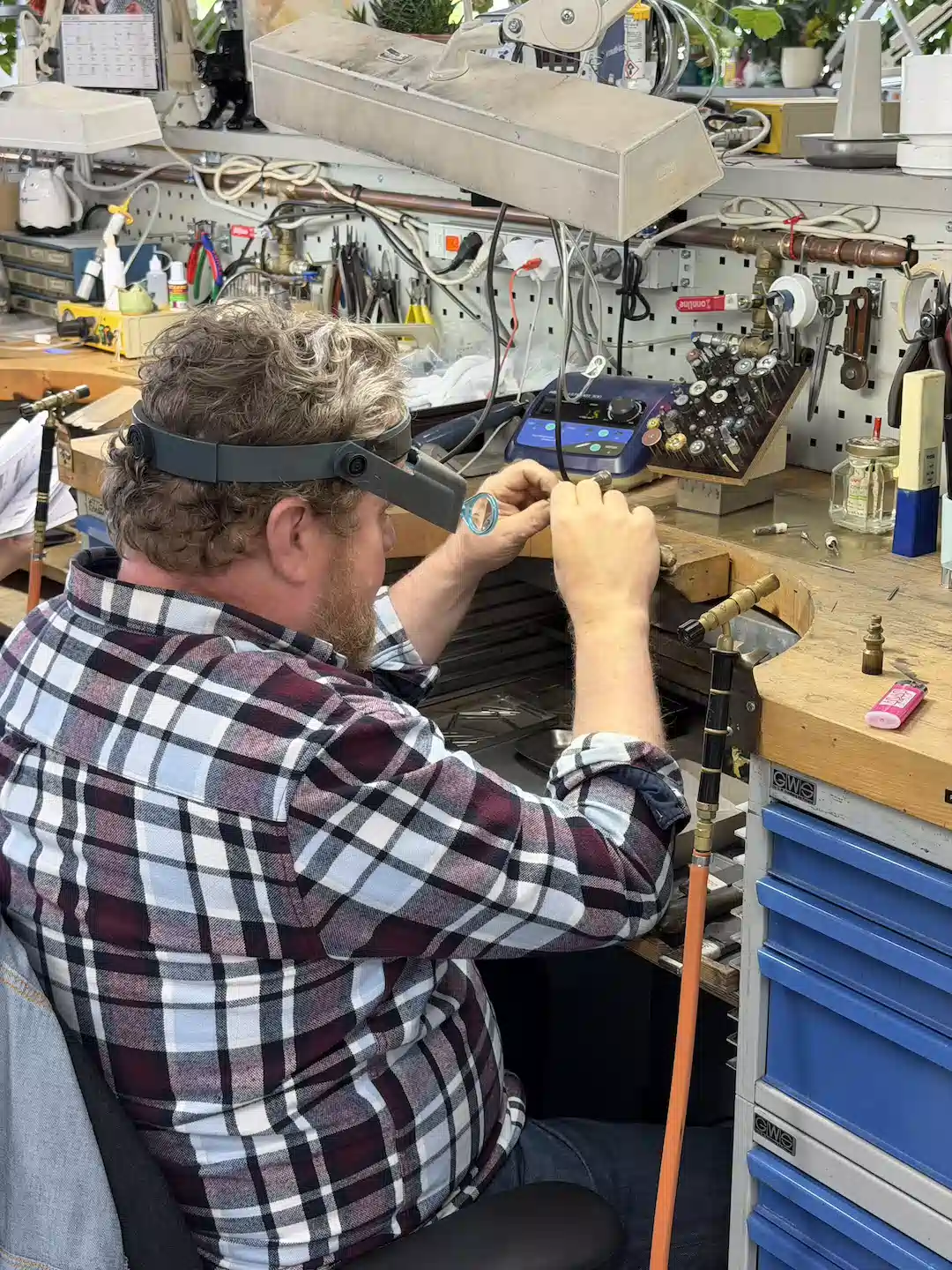
Casting, polishing, finishing, inspection. In each process, artisans work silently and diligently.
What was striking during the tour was a manufacturing approach that stands in stark contrast to mass production. Kalevala jewelry is still produced at its own factory in Helsinki, with an average of about ten artisans involved in completing a single product.
Of course, the factory is equipped with the latest machinery, but the final quality is underpinned by the artisans’ skills and experience.
Walking through the factory, one senses a commitment to preserving techniques honed over many years. The background of maintaining domestic production for nearly 90 years likely reflects a philosophy of protecting not just the products, but the artisan skills themselves.
What was particularly interesting during this visit was the approach to sustainability.
While environmental considerations are increasingly discussed in the fashion industry, for Kalevala, sustainability existed as a production system before it became a product story.
The electricity used in the factory is supplied by wind power and rooftop solar panels. Water used in the manufacturing process is purified within the factory, and part of it is returned to the production cycle.
Furthermore, the materials used are meticulously sourced. Gold is 100% recycled, and silver is over 99% recycled. Even the fine metal dust generated during polishing is collected and reused as raw material.
Visiting the factory, it became clear that sustainability is not a marketing term but is embedded in a production system built over a long period.
Another lasting impression from the factory tour was the philosophy of ‘long-term use.’ Kalevala jewelry is not made to follow trends but is designed to be worn and cherished for decades.
A symbolic initiative is ‘Kalevala Preloved.’ This program involves buying back pre-owned Kalevala jewelry from customers, restoring it in the factory, and passing it on to new owners.
At the factory, one could see artisans meticulously maintaining vintage pieces one by one. Instead of only creating new items, the company circulates existing value. This philosophy can be seen as a distinctly Finnish practice of sustainability.
It is also said that in Finland, there is a culture of passing down Kalevala jewelry from parent to child.
Walking through the factory, it felt as though what is being made here is not just jewelry, but the very value of using things for a long time.
After the factory tour, we spoke with Aino Ahlnas, Creative Director of Kalevala.
We asked why a brand approaching its 90th anniversary actively engages with new fashion scenes like ‘Fashion in Helsinki,’ and how it balances tradition with modernity.
——Many young designers participate in ‘Fashion in Helsinki.’ How do you view the significance of Kalevala, which will celebrate its 90th anniversary in 2027, participating?
——What specific initiatives are you undertaking?
——After touring the factory, I felt that manufacturing itself is the core of the Kalevala brand.
——Does maintaining your own factory have significant implications for design as well?
——The use of recycled materials and renewable energy at the factory was also impressive.
——I understand social responsibility is also a key brand theme.
——Shifting to design, Kalevala has a long history yet its designs are very modern. How do you balance traditional craftsmanship with contemporary design?
——Is there a piece that symbolizes this philosophy?
——The factory tour showed how artisans pass down their skills, which was impressive.
——What are your impressions of Japanese craft culture?
——Those commonalities seem to extend to design as well.
——Finally, could you tell us about your vision for the brand’s centenary?
What Kalevala showed at ‘Fashion in Helsinki’ was the idea of creating the future by passing things on.
By the time I left the factory, I felt I understood a little better why Kalevala has maintained domestic production in Finland for nearly 90 years.
What is being preserved here is not just jewelry. Artisan skills, culture, and the value of long-term use are being passed on to the next generation.