Editor’s Note
**Editor’s Note:** This article traces the evolution of Hing Wa Lee from a gemstone carving factory to a fine jewelry enterprise, highlighting the family’s journey from Hong Kong to Los Angeles and their enduring legacy in the industry.
“Initially, he had a gemstone carving factory producing jade and other gemstone figurines, scenery and decorative objects. We wholesaled primarily to the US market,” says David Lee, chairman and CEO of Hing Wa Lee and a second-generation member of the family business.
The family later relocated to Los Angeles in the early 1980s, where the business expanded into fine jewelry, imperial jade and colored stones while continuing to operate primarily as a wholesaler. During that period, major retailers including Van Cleef and Gumps were among its clients.
“I realized we needed to change our business model and suggested moving into retail with watches,” he says. “My father agreed but told me I’d need to take the lead while he focused on real estate.”
What is changing, however, is the extent to which that experience now informs the physical design of the stores themselves. Rather than treating hospitality as an additional layer placed on top of a conventional jewellery environment, Lee says newer projects are being designed around social interaction and atmosphere from the outset.
“Previously, retailers had jewelry stores and then layered experiences onto them. We’re building spaces where the experience itself is fundamental to the design.
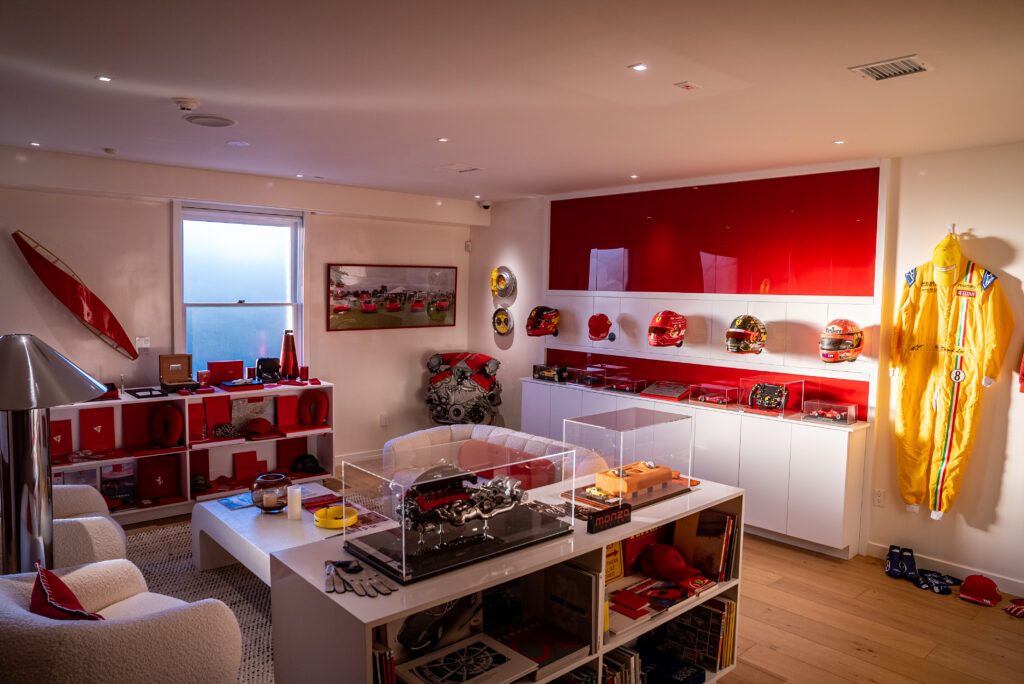
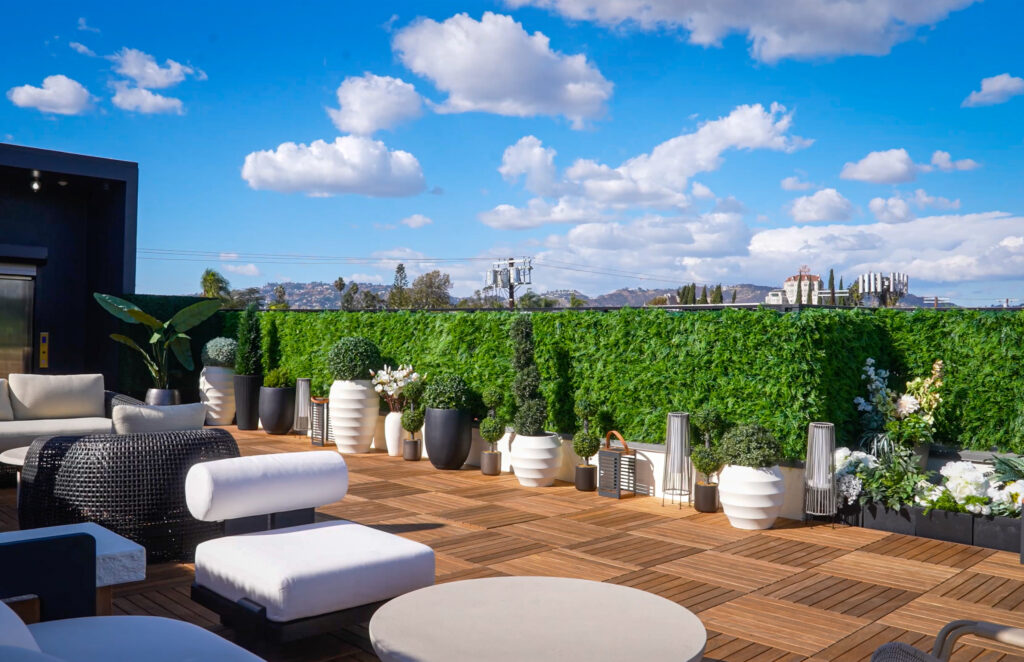
“Larchmont is almost like a three-storey townhouse,” Lee says. “It feels like entering someone’s home rather than a traditional jewelry store.”
Success for much of the modern luxury watch industry has traditionally been by brand offering, sales performance, square footage of their brick-and-mortar store and allocation strength.
Retailers invested heavily in shopfitting, expanded footprints and refined hospitality offerings, all while competing to secure the industry’s most in-demand names. But over the past decade, the model has shifted. Brands have accelerated their push toward direct retail, consumers have become increasingly investment-focused and independent jewellers have found themselves under pressure to offer something beyond product alone.
At Hing Wa Lee, that changing landscape has prompted a gradual but deliberate rethink of what a luxury retail environment should deliver. The California-based retailer is not abandoning traditional watch retail fundamentals – product, service and brand partnerships remain central – but it is placing increasing emphasis on experience, hospitality and personal connection in an attempt to differentiate itself from larger, more standardized luxury operators.
That philosophy has evolved over decades. Hing Wa Lee this year celebrates its 61st anniversary, though the business that exists today looks very different from the company founded by David Lee’s father in Hong Kong in 1965.
The business specialised in jade artistry and ornamental carving work before a series of opportunities gradually pushed the family from Hong Kong toward the United States. One pivotal moment came in the mid-1970s, when Lee’s father was invited by the Smithsonian Institute to restore damaged Chinese antiques, helping establish a relationship that ultimately led to permanent residency in America.
The shift into retail came later and, according to Lee, was shaped partly by economic necessity. After graduating from the University of Southern California business school in 1990, he joined the family company just as recession hit the US economy.
Lee opened the company’s first retail store in San Gabriel in 1993. Two years later came a defining milestone that would significantly alter the trajectory of the business.
Over the following decades, Hing Wa Lee expanded steadily, building relationships with more than 25 watch brands while establishing itself as one of the more prominent independent luxury retailers in the United States. Yet Lee is also candid about the instability many independents have faced as brand strategies evolved.
“One challenge is that traditionally, if you sold well for a brand, invested in them and presented them properly, you were considered a good retailer,” he says. “But at some point, many brands decided to open their own stores.”
For multi-brand retailers, the rise of mono-brand boutiques created an entirely new set of pressures. Long-standing partnerships could disappear quickly, often leaving retailers with empty space and lost turnover despite years of investment.
“Suddenly, despite doing nothing wrong, they’d leave,” Lee says. “You’d be left with a hole in your store and a loss of revenue. Over the last decade there’s been a lot of that. It created instability and frustration.”
Importantly, Lee distinguishes this challenge from the wider macroeconomic issues luxury businesses are accustomed to navigating.
“That kind of disruption isn’t caused by economic or geopolitical issues – those are things we can’t control,” he says. “This came from within the industry itself. But we navigated through it and came out stronger on the other side.”
Alongside those structural changes, consumer behavior has also evolved sharply since the pandemic. Watches today occupy a different cultural and financial position than they did a decade ago, particularly at the higher end of the market where scarcity and secondary market pricing increasingly shape buying habits.
“Customers are increasingly viewing watches not just as status symbols or toys, but as investment vehicles,” Lee says. “That creates stronger demand around investment pieces and opens up opportunities for non-authorized sellers operating at market prices.”
“There are many more investment-focused buyers in the market now than before the pandemic,” he adds. “That’s a major shift.”